Adaptive Algorithms Determining Tiered Reward Allocations in Blockchain-Enabled Gaming Ecosystems
Written by Elena Peters · Aug 20, 2026
Adaptive Algorithms Determining Tiered Reward Allocations in Blockchain-Enabled Gaming Ecosystems
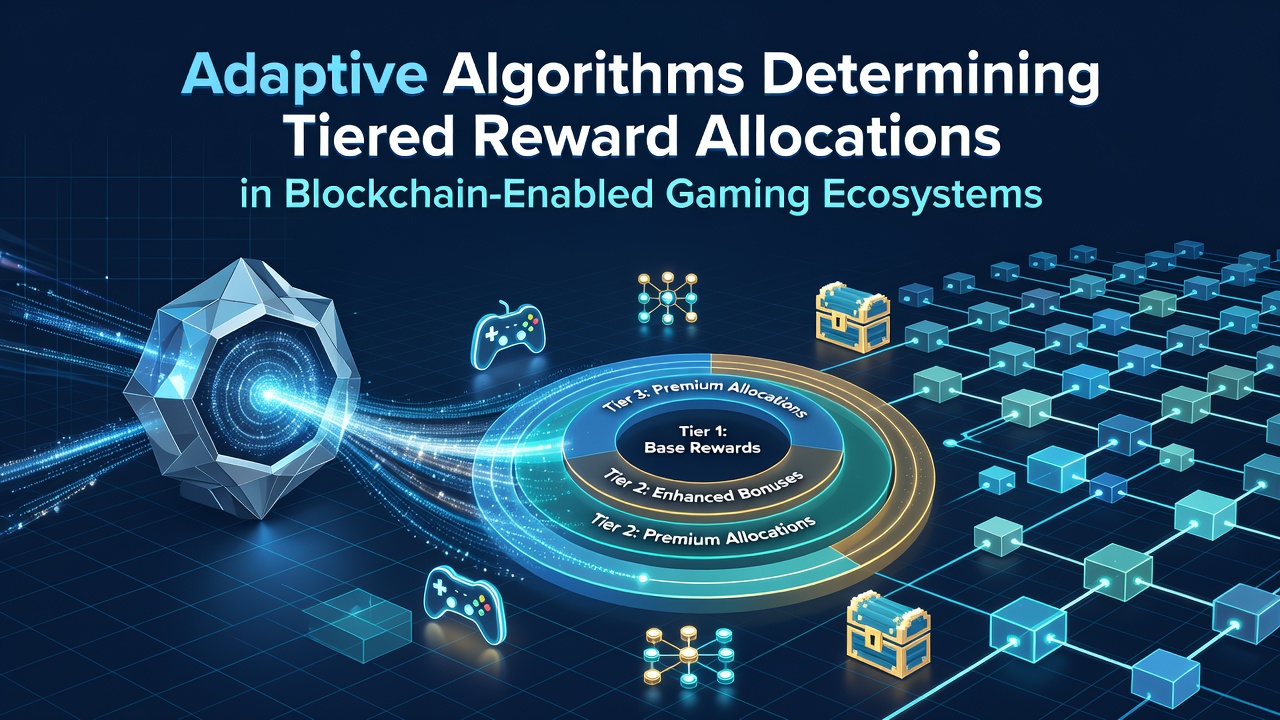
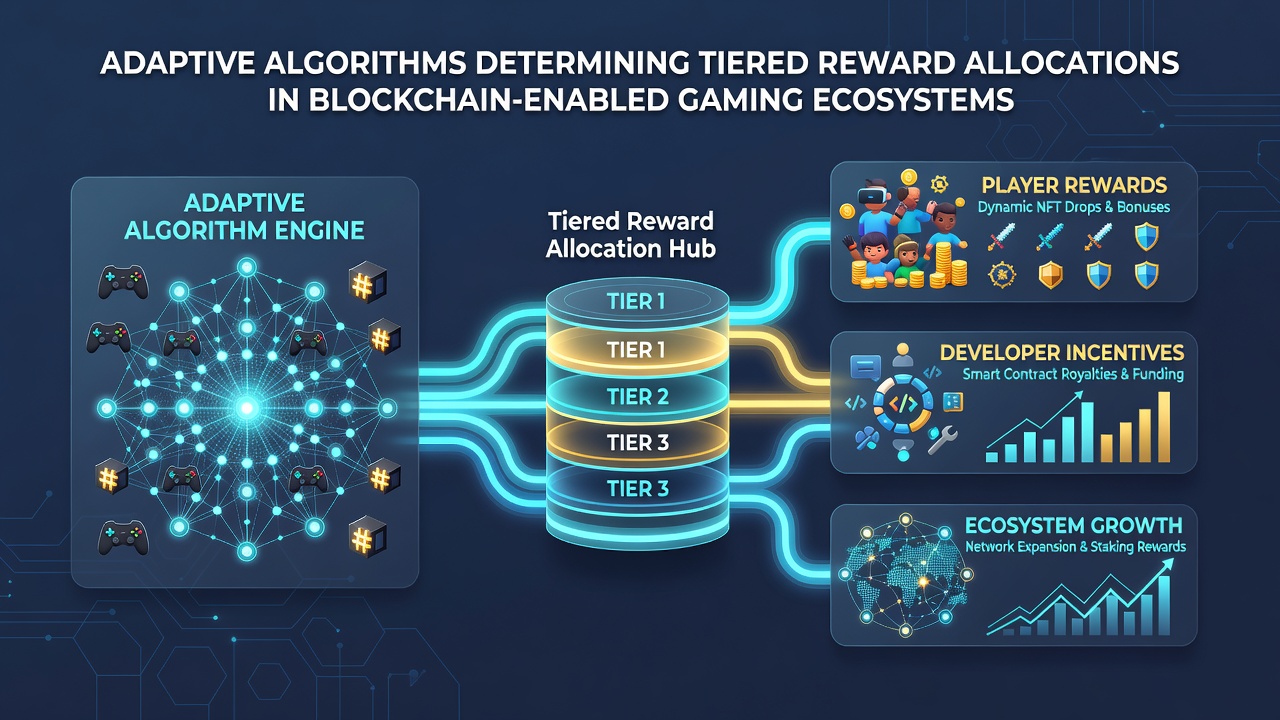
Adaptive algorithms now shape how blockchain-enabled gaming ecosystems distribute tiered rewards, and developers rely on real-time data streams to adjust allocations based on player behavior, transaction volume, and network conditions. These systems combine machine learning models with smart contract logic so that reward tiers update without manual intervention, while blockchain ledgers record every adjustment for transparency and auditability.
Core Mechanisms Behind Adaptive Allocation
Algorithms process inputs such as session length, in-game asset trades, and cross-chain interactions to calculate eligibility for higher reward tiers. When participation metrics rise, the system automatically elevates a participant to the next tier and recalculates future reward percentages through predefined weighting formulas. Conversely, reduced activity triggers a downgrade that takes effect at the start of the next reward cycle, and these shifts occur through automated smart contract executions that require no central operator approval.
Researchers at several technical institutes have documented how reinforcement learning components allow the algorithms to refine their predictions over successive cycles. The models receive feedback from completed reward distributions and adjust parameters to optimize retention metrics across different user segments, while the underlying blockchain records each parameter change as an immutable transaction.
Integration with Blockchain Infrastructure
Smart contracts serve as the enforcement layer for these adaptive systems, and they execute tier calculations only after oracle-fed data confirms on-chain activity thresholds. Multi-chain setups require additional synchronization steps because reward pools must balance across networks with varying block times and gas costs. Developers address this by deploying cross-chain bridges that update tier status in near real time, and the process maintains consistency through consensus mechanisms that validate each allocation before finalizing it on the primary ledger.
Examples of Tier Structures in Practice
One documented implementation assigns base rewards at the entry tier, then scales percentages upward at bronze, silver, and gold levels according to cumulative transaction counts and asset holdings. Participants who complete additional on-chain quests receive temporary multipliers that the algorithm factors into the next distribution round. Observers note that these structures often include decay functions so that inactive accounts lose tier status gradually rather than through abrupt cuts, and the decay rates themselves adapt based on overall network participation trends.
Data Patterns Observed Through Mid-2026
Figures released in August 2026 from multiple analytics platforms showed increased adoption of adaptive tier systems across decentralized gaming titles, with average reward distribution cycles shortening from weekly to daily intervals in several prominent ecosystems. Reports indicate that networks using these algorithms experienced more stable reward pool depletion rates compared with static models, and transaction volumes tied to reward claims rose correspondingly. A study conducted by the University of Cambridge examined several protocols and found that adaptive models reduced reward concentration among top participants by redistributing portions to mid-tier users when activity thresholds were met.
Industry organizations such as the Canadian Interactive Digital Gaming Association have begun tracking how these algorithms affect cross-border player flows, and preliminary data suggest that transparent on-chain tier logic encourages longer engagement periods in jurisdictions with clear regulatory frameworks.
Technical Challenges and Ongoing Adjustments
Scalability remains a constraint because frequent algorithm updates can generate high volumes of on-chain transactions during peak periods. Developers mitigate this by batching tier recalculations off-chain and submitting only final state changes to the blockchain, yet this approach introduces latency that some participants notice during rapid market shifts. Security audits continue to focus on oracle reliability since inaccurate external data can distort tier assignments, and several networks now require multi-oracle consensus before executing any reward allocation.
Another area under active refinement involves fairness metrics. Teams monitor Gini coefficients of reward distributions and adjust weighting parameters when concentration exceeds target thresholds, while the blockchain itself provides the audit trail that allows independent verification of these adjustments.
Conclusion
Adaptive algorithms continue to evolve within blockchain-enabled gaming ecosystems as developers refine the balance between automation, transparency, and participant engagement. The combination of machine learning with smart contract enforcement has produced tier systems that respond dynamically to activity data, and ongoing technical work addresses scalability and fairness concerns. As of August 2026, available figures reveal steady expansion of these methods across multiple platforms, supported by research from institutions and industry groups that document their operational patterns.