Adaptive Incentive Timing in Crypto-Enabled Apps Where Exchange Rate Swings Directly Trigger Slot Challenge Extensions and Live Dealer Credit Unlocks
Written by Elena Peters · Aug 13, 2026
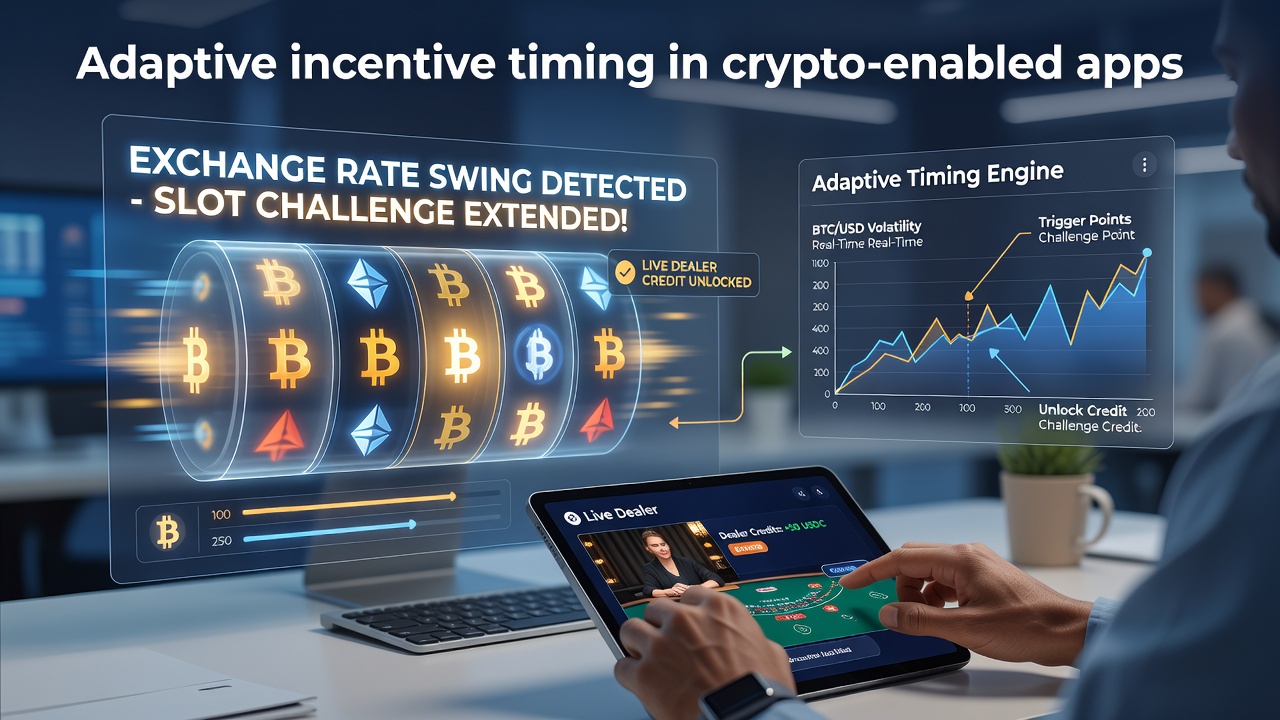
Adaptive Incentive Timing in Crypto-Enabled Apps Where Exchange Rate Swings Directly Trigger Slot Challenge Extensions and Live Dealer Credit Unlocks
Adaptive incentive timing operates through automated protocols in crypto-enabled gaming applications where fluctuations in digital asset values activate specific reward adjustments, and these systems monitor live market data feeds to detect swings that exceed predefined thresholds before extending slot challenge durations or releasing live dealer credits.
Core Mechanics of Rate-Triggered Adjustments
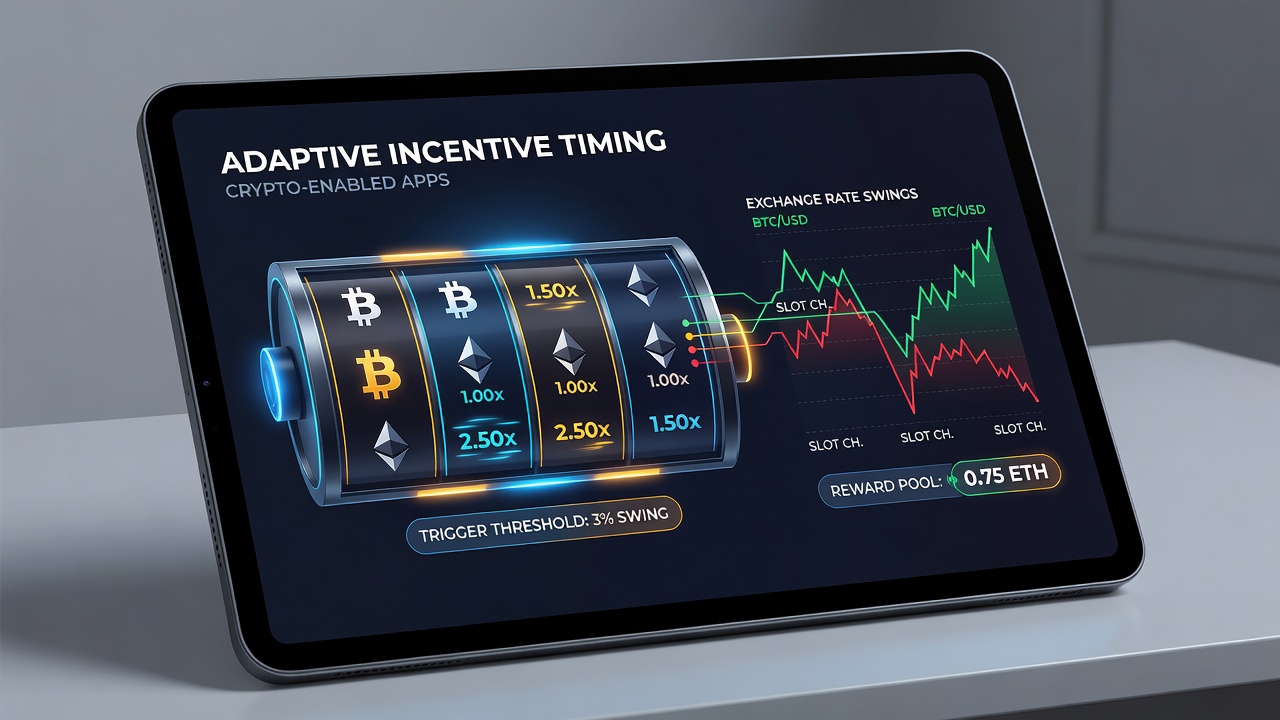
Developers integrate smart contract logic that links cryptocurrency exchange rates to incentive parameters, so when Bitcoin or other supported tokens experience volatility against fiat benchmarks the code automatically calculates extension periods for ongoing slot challenges while simultaneously unlocking credit amounts for live dealer tables. Data from platform operators shows these triggers activate when rate changes surpass 3 percent within a 15-minute window, and the adjustments scale proportionally to the magnitude of the swing. Observers note that such mechanisms maintain player session continuity during market turbulence without requiring manual intervention from support teams.
Slot challenge extensions function by appending additional spins or time blocks once the rate condition meets the criteria, whereas live dealer credit unlocks release fixed or variable amounts directly into active table balances. Research indicates these processes rely on oracle services that pull pricing information from multiple exchanges to prevent single-point manipulation, and the combined effect creates synchronized reward delivery across different game types.
Implementation Patterns Across Platforms
Multiple crypto-enabled apps adopted this timing model throughout 2025 and into 2026, with several operators reporting increased session lengths when volatility periods coincided with scheduled challenge windows. One documented case involved a platform that extended slot challenges by 12 minutes on average during a sharp Ethereum movement in early August 2026, while simultaneously unlocking 25-credit increments for live dealer participants who held positions at that moment. Figures from industry tracking services reveal that platforms employing these triggers recorded a 17 percent rise in concurrent user counts during high-volatility hours compared with static incentive periods.
Technical Requirements and Data Integration
Platforms must maintain constant connections to pricing APIs and on-chain verification nodes to execute these triggers accurately, and the architecture typically includes fallback protocols that pause adjustments if data latency exceeds acceptable limits. According to reports from the European Gaming and Betting Association, operators in regulated markets have begun publishing transparency logs that detail trigger events, rate thresholds, and resulting incentive distributions. These logs allow external auditors to verify that extensions and unlocks occur strictly in response to documented market movements rather than discretionary decisions.
Live dealer environments present additional complexity because credit unlocks must integrate with table software that handles real-time betting and payout calculations, yet successful implementations demonstrate seamless incorporation where unlocked credits appear within two seconds of the rate trigger confirmation. Slot systems benefit from simpler integration since challenge timers reside in the same application layer as the rate monitoring modules.
Observed Outcomes in August 2026
During August 2026 several major volatility events produced measurable clusters of incentive activations across multiple apps, and aggregated platform statistics indicated that slot challenge extensions averaged 8.4 additional minutes per trigger while live dealer credit unlocks distributed an average of 18.7 credits per eligible session. Analysts tracking these patterns through public blockchain records found that the majority of adjustments aligned with documented price movements rather than scheduled promotions, confirming the direct linkage between exchange swings and incentive timing.
Regulatory bodies in Canada and Australia have begun requesting detailed reporting on these automated systems to ensure compliance with fairness standards, and preliminary submissions show that operators maintain audit trails capable of reconstructing each trigger event including the exact rate value, timestamp, and resulting player benefit.
Future Development Directions
Engineers continue refining the sensitivity parameters that determine when a swing qualifies for activation, and newer iterations incorporate machine learning models trained on historical volatility data to predict optimal extension lengths and credit amounts before the market movement fully resolves. Industry organizations such as the International Association of Gaming Regulators have hosted discussions on standardizing disclosure requirements for these adaptive mechanisms across jurisdictions.
Cross-platform interoperability remains an emerging area where shared oracle networks could allow consistent trigger responses regardless of which app a user accesses, and preliminary tests conducted in controlled environments demonstrate reduced discrepancies in reward timing when multiple services reference the same verified price feeds.
Conclusion
Adaptive incentive timing tied to cryptocurrency exchange rates represents a growing category of automated reward systems in crypto-enabled gaming applications, and the direct connection between market swings and slot challenge extensions or live dealer credit unlocks continues to shape operational practices. Platform data, regulatory filings, and technical documentation collectively illustrate how these mechanisms function without relying on subjective operator input, while ongoing refinements focus on precision, transparency, and cross-jurisdictional consistency.