Adaptive Reward Frameworks Responding to User Engagement Patterns in Mobile Crypto-Enabled Baccarat Sessions
Written by Elena Peters · Aug 22, 2026
Adaptive Reward Frameworks Responding to User Engagement Patterns in Mobile Crypto-Enabled Baccarat Sessions
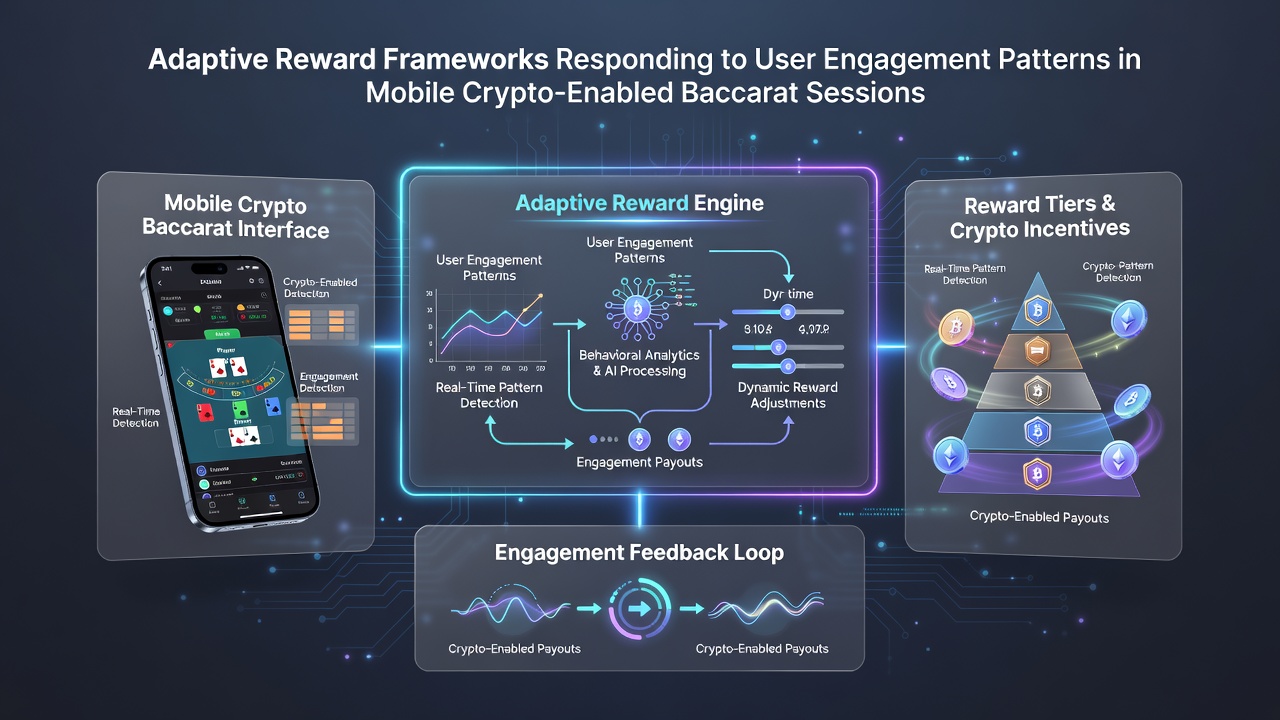
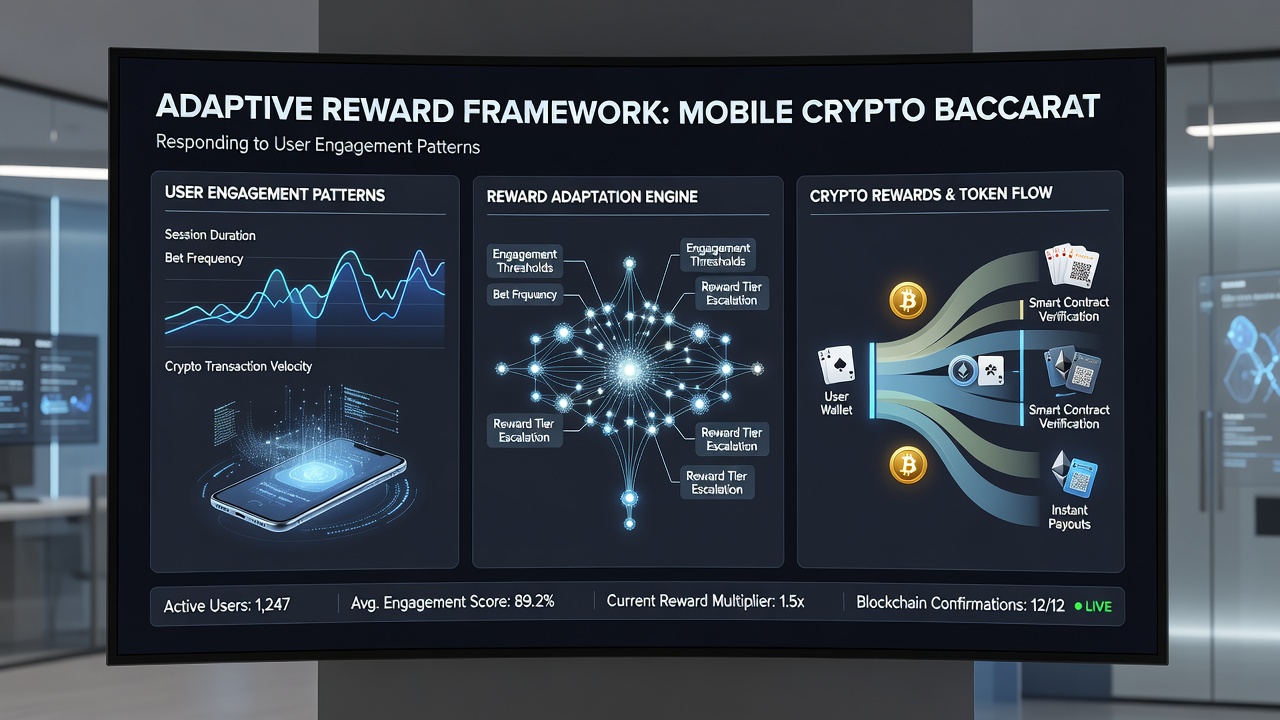
Adaptive reward frameworks have emerged as core components in mobile platforms that support cryptocurrency-enabled baccarat, where systems monitor session data to adjust incentive structures dynamically. These frameworks track metrics such as bet frequency, session duration, wager size variations, and response times to dealer actions while integrating blockchain transaction records to verify crypto deposits and withdrawals. Data collected through these channels feeds into algorithms that recalibrate reward offerings mid-session, shifting from static bonus structures to personalized sequences based on observed player behavior patterns.
Tracking Engagement Metrics in Real Time
Platforms collect granular data points during baccarat sessions on mobile devices, including the number of consecutive hands played without interruption, shifts between minimum and maximum bet limits, and patterns of side-bet participation. These inputs combine with crypto wallet activity logs to create engagement profiles that update continuously. Researchers at institutions studying digital gaming technologies note that such profiles allow frameworks to identify when participation intensity increases or declines, prompting the system to introduce tailored incentives such as incremental crypto credits or reduced house-edge rounds. In August 2026, reports from North American gaming operators indicated that mobile baccarat applications processed over 2.8 million sessions monthly, with adaptive systems responding to engagement drops within three to five hands to maintain session continuity.
Crypto Integration and Reward Calibration
Cryptocurrency transactions introduce additional variables into reward frameworks because transaction speeds and fee structures influence player decisions on deposit timing and amount. Adaptive systems correlate crypto confirmation times with engagement levels, for instance extending reward eligibility windows during network congestion periods to prevent drop-off. This approach differs from fixed loyalty structures by allowing rewards to scale according to both on-platform activity and off-platform blockchain conditions. Industry analyses from the Canadian Gaming Association have documented cases where platforms adjusted cashback percentages in real time when bitcoin volatility exceeded 4 percent within a 24-hour window, thereby sustaining participation among users who maintain consistent baccarat hand volumes.
Algorithmic Response Mechanisms
Response mechanisms operate through layered decision trees that evaluate engagement against historical cohort data. When a player demonstrates sustained high-frequency betting across multiple shoes, the framework may unlock progressive multipliers applied to wins paid in stablecoins. Conversely, when metrics show declining engagement such as longer intervals between hands or reduced bet sizing, the system introduces micro-incentives like free-hand tokens funded through platform reserves. These adjustments occur without user intervention, relying on predefined thresholds derived from aggregated session data across similar device types and network conditions. Observers note that frameworks often incorporate machine learning models trained on anonymized datasets exceeding 15 million mobile baccarat interactions, enabling predictions of engagement shifts up to seven hands in advance.
Regional Regulatory Context and Data Sharing
Regulatory environments in various jurisdictions shape how frameworks handle user data and reward distribution. The Nevada Gaming Control Board requires operators to maintain audit logs of algorithmic changes to reward parameters, ensuring transparency in how engagement patterns trigger modifications. Similar requirements appear in frameworks used by operators licensed in Australian states, where data protection statutes mandate explicit consent for cross-session profiling. In August 2026, updates to these reporting standards prompted several platforms to publish aggregate statistics showing average reward adjustment frequency per 100 hands played, with figures revealing adjustments occurring 1.4 times per average mobile session length of 42 minutes.
Implementation Examples Across Platforms
One documented implementation involves a mobile operator serving European and North American users that integrated engagement scoring with crypto payout queues. When players exceeded 25 consecutive baccarat hands at escalating stakes, the framework automatically queued a tiered reward consisting of 0.0005 BTC equivalents distributed upon session completion. Another case from an Asia-Pacific operator showed systems responding to engagement plateaus by offering temporary commission reductions on banker bets, funded through internal token pools rather than direct player deposits. These examples illustrate how frameworks maintain operational consistency while adapting to both behavioral signals and cryptocurrency market conditions without altering core game mechanics.
Conclusion
Adaptive reward frameworks continue to evolve in response to the intersection of mobile baccarat mechanics and cryptocurrency infrastructure, relying on real-time data streams to align incentives with individual engagement trajectories. As operators refine these systems through ongoing analysis of session metrics and regulatory compliance requirements, the resulting structures support sustained platform activity while operating within established legal parameters across multiple regions. Continued documentation from industry bodies and academic researchers will likely provide further insight into long-term patterns emerging from these adaptive processes.