Charting Milestone Unlock Sequences from Signup Credits Through Live Table Milestones in Augmented Reality Platforms
Written by Sam Keller · Jun 20, 2026
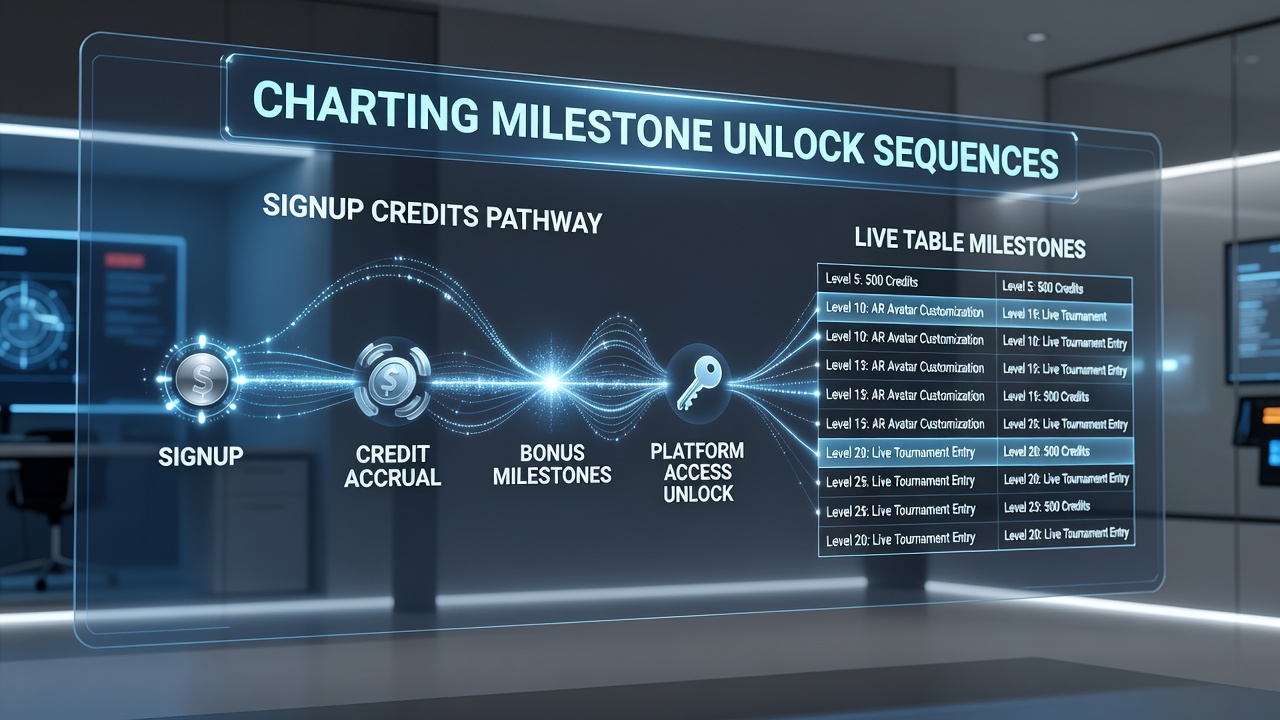
Charting Milestone Unlock Sequences from Signup Credits Through Live Table Milestones in Augmented Reality Platforms
Augmented reality platforms integrate signup credits directly into user accounts upon registration, and these initial allocations serve as entry points for structured progression systems that advance through defined achievement layers. Observers note that developers design these sequences so early credits unlock basic interface tutorials, while subsequent milestones require completion of specific interaction tasks within the AR environment. Data from platform analytics indicate that users advance by engaging with virtual elements that simulate table games, and this process builds toward live dealer integrations where real-time interactions become available.
Initial Signup Credits and Early Milestone Activation
Signup credits appear in AR gaming hubs as soon as accounts activate, and these amounts trigger the first set of unlock sequences that introduce core navigation tools. Researchers tracking user behavior report that completion of orientation modules, which involve placing virtual objects in real-world spaces via device cameras, releases additional credit tiers. Platforms in regions like Australia have documented similar patterns where early milestones focus on spatial calibration tasks before any table access opens. According to reports from the Australian Communications and Media Authority, such sequences help standardize onboarding across multiple AR applications launched or updated by mid-2026.
Progression continues when users accumulate points from simple interactions, and these points convert into credits that fund introductory simulations. Experts have observed that the system logs each completed task in a centralized dashboard visible through the AR overlay, which updates in real time as new achievements register. This logging mechanism ensures transparency, while also preventing duplication of effort across sessions.
Layered Achievement Pathways in Live Table Environments
Once initial credits deplete through practice rounds, platforms shift focus to live table milestones that demand higher engagement levels. Users encounter requirements such as participating in a minimum number of virtual hands or achieving specific accuracy rates in gesture-based betting inputs. Studies conducted by institutions in Canada show that these layered pathways encourage sustained participation because each unlock reveals enhanced visual fidelity in the AR feed. The National Gaming Research Institute of Canada released findings in June 2026 that detail how AR platforms synchronize milestone releases with server-side verification to maintain consistency across global user bases.
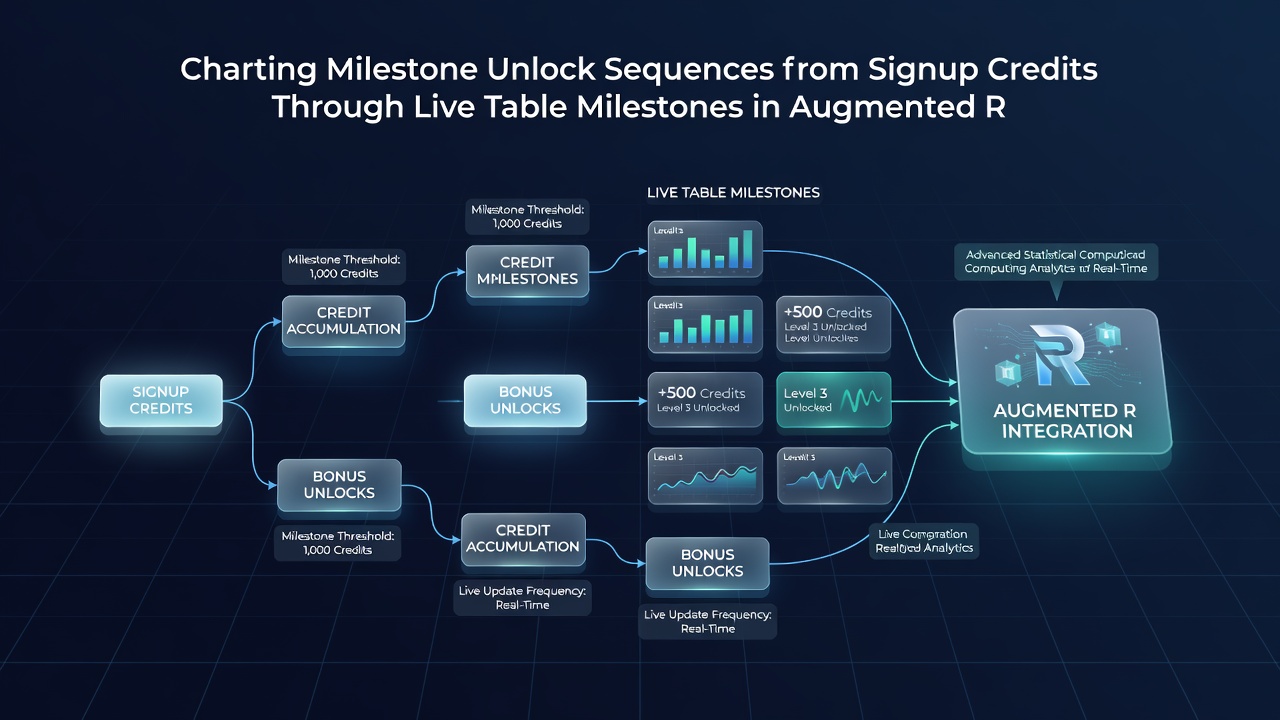
Live table access typically requires crossing several thresholds, and each threshold incorporates both quantitative metrics like session duration and qualitative elements such as successful strategy application in simulated scenarios. Observers note that platforms often embed feedback loops where performance data feeds directly into the next milestone criteria, creating a continuous chain from signup onward. In European markets, similar frameworks appear in AR titles that connect to established gaming networks, allowing cross-platform milestone carryover when users switch devices.
Technical Sequencing and Platform Integration
Technical implementations rely on API connections that track credit balances alongside AR session data, and these connections trigger unlocks automatically once conditions meet predefined thresholds. Developers incorporate blockchain elements in some systems to record milestone achievements immutably, which adds verification layers without interrupting the user flow. Figures from industry reports reveal that integration with live dealer streams occurs only after users satisfy a series of preparatory milestones, ensuring participants possess baseline familiarity with controls before entering real-money environments.
June 2026 saw several platforms release updates that refined these sequences by adding conditional branches, where user choices during early stages influence later live table options. Those who've examined the code structures note that branching logic prevents linear progression from becoming repetitive, and it introduces variability that aligns with individual interaction styles. Regulatory bodies in Singapore have begun reviewing these adaptive sequences to assess compliance with fair play standards across AR deployments.
Cross-Regional Observations and Data Patterns
Comparative analyses across different jurisdictions highlight variations in how milestones scale from signup credits to live tables. North American platforms tend to emphasize rapid early unlocks, whereas Asian implementations extend the sequence length to incorporate more educational components. Research indicates that average completion times for full sequences range from several hours to multiple days depending on user frequency, with data aggregated from anonymized session logs. The Singaporean Infocomm Media Development Authority published aggregated statistics in early 2026 that underscore these regional differences without disclosing proprietary platform details.
People who monitor platform performance note that milestone sequences also influence retention metrics because each unlock provides tangible feedback through credit adjustments or feature expansions. This feedback occurs seamlessly within the AR view, reducing the need to exit the immersive space for progress checks. Integration with external payment systems remains limited until later stages, which aligns with requirements set by various oversight entities.
Conclusion
Milestone unlock sequences in augmented reality platforms establish clear pathways from initial signup credits to advanced live table participation, and these pathways rely on systematic tracking of user actions. Observers continue to document how technical refinements and regional regulatory approaches shape the evolution of these systems, particularly as updates roll out through 2026. The structure supports progression while maintaining verification standards across diverse operating environments.