Cross-Border Player Migration Patterns and Their Influence on Evolving Incentive Frameworks at International Digital Gaming Hubs
Written by Erik Keller · Jun 27, 2026
Cross-Border Player Migration Patterns and Their Influence on Evolving Incentive Frameworks at International Digital Gaming Hubs
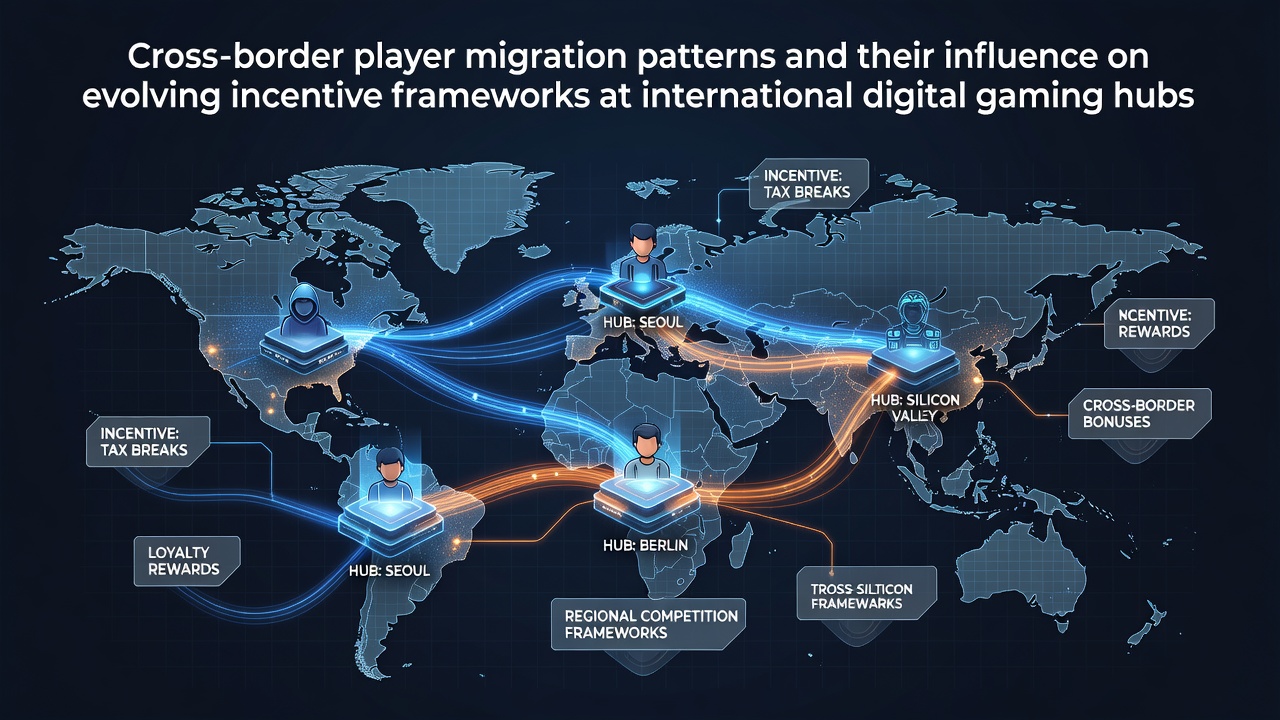
Cross-border player migration has accelerated in digital gaming environments since 2024, with data from regulatory bodies showing increased movement of participants between licensed platforms in Europe, North America, and Asia-Pacific regions. Players shift jurisdictions to access different regulatory protections, payment options, and reward structures, while operators adjust incentive frameworks to retain these mobile audiences through tailored loyalty programs and deposit matches that account for currency fluctuations and local compliance rules.
Tracking Migration Flows Across Jurisdictions
Research from the Canadian Gaming Association indicates that approximately 28 percent of active accounts on multi-jurisdictional platforms originated from users who relocated their activity from one licensed market to another during the 2025 calendar year, driven by changes in tax treatment and bonus availability. These movements often follow seasonal patterns, with spikes recorded in the first and third quarters as regulatory updates take effect in source countries. Operators monitor IP address histories and account verification data to map these trajectories, revealing clusters of activity shifting from high-tax environments toward markets with streamlined licensing processes.
European operators have documented similar trends through aggregated transaction logs, where participants from Eastern European countries frequently establish new accounts in Western European hubs offering multi-currency support and faster withdrawal processing. The Alcohol and Gaming Commission of Ontario reported in its 2025 annual review that cross-border sign-ups from U.S. states with limited online options increased by 19 percent between January and May 2026, coinciding with expanded provincial licensing frameworks.
Adaptations in Incentive Structures
Digital gaming hubs respond to these migration patterns by redesigning reward systems that incorporate regional preferences and compliance requirements. Platforms introduce progressive loyalty tiers calibrated to average session lengths observed among migrating user segments, while incorporating geo-specific free spin allocations tied to local game preferences. Data aggregated by the Australian Communications and Media Authority shows that sites serving international audiences adjusted welcome offer structures in early 2026 to include hybrid bonus packages blending cashback elements with cryptocurrency conversion options for users crossing from markets with strict fiat regulations.
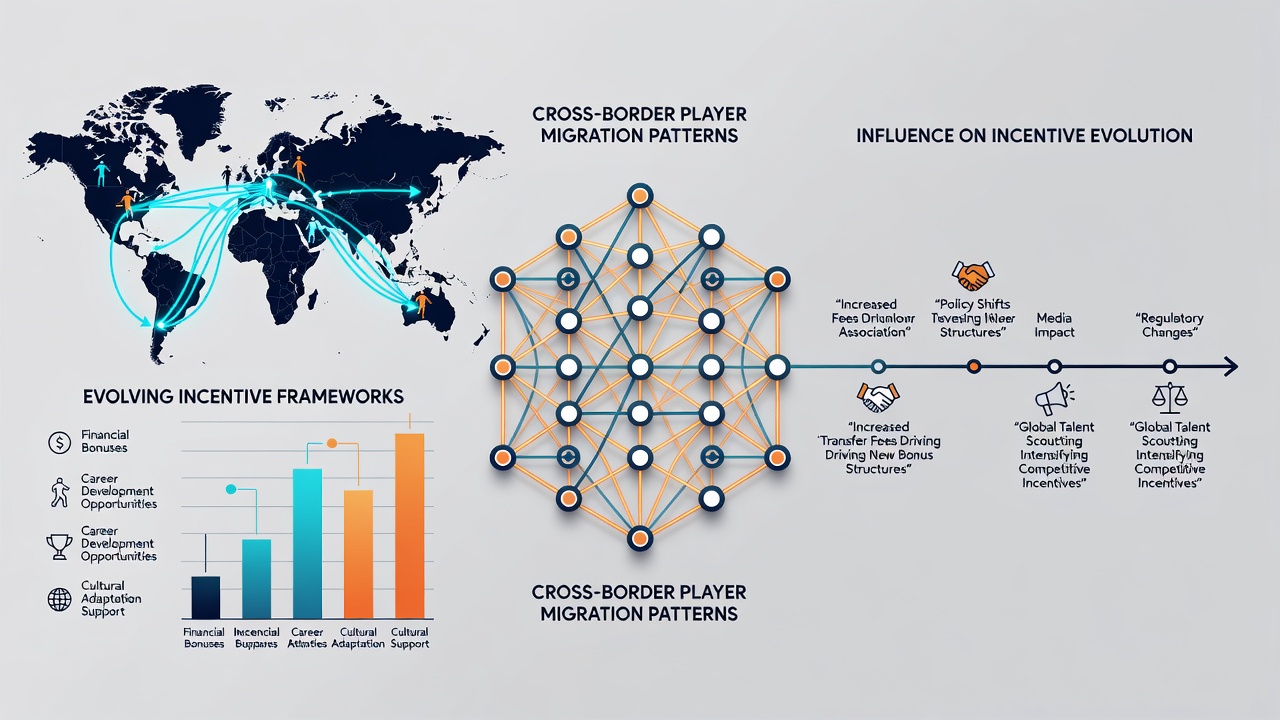
Those who've analyzed transaction datasets note that operators now embed milestone-based incentives that reset according to the player's verified jurisdiction rather than a universal schedule. This approach addresses varying wagering contribution rates across borders, where one market might assign higher value to live dealer games while another prioritizes slot volume. Platforms further refine these frameworks by linking achievement rewards to verified payment methods common in the user's origin region, reducing friction for participants who maintain activity across multiple licensed environments.
Regulatory Influences on Reward Evolution
Changes in licensing conditions directly shape how incentives evolve in response to player movement. Jurisdictions implementing updated responsible gaming mandates require operators to display jurisdiction-specific terms within bonus promotions, which in turn influences how migrating users engage with layered reward chains. Reports from the European Gaming and Betting Association highlight that platforms operating under multiple licenses introduced synchronized verification processes in June 2026, allowing seamless transfer of loyalty status for users relocating between compliant markets without resetting progress indicators.
Payment processor integrations have also adapted, with hubs offering dynamic conversion incentives that offset exchange rate impacts for players crossing currency zones. These adjustments appear in the form of adjusted minimum deposit thresholds and accelerated payout schedules calibrated to the destination market's average processing times. Observers tracking industry filings note that such modifications correlate with retention metrics collected from users who previously cycled through several platforms before settling into a primary hub.
Technology Supporting Cross-Border Retention
Algorithmic tools now underpin incentive personalization by analyzing migration velocity and preferred game categories across borders. Systems flag accounts showing repeated jurisdiction switches and surface customized milestone offers that account for cumulative activity rather than isolated sessions. Research published by academic teams at the University of Nevada, Reno, gaming studies department demonstrates that platforms deploying these tracking mechanisms recorded higher completion rates for multi-stage bonus progressions among internationally mobile user groups during the first half of 2026.
Security protocols have tightened around these frameworks to prevent abuse while preserving accessibility for legitimate cross-border participants. Multi-factor authentication combined with behavioral biometrics allows operators to maintain continuity in reward eligibility even as players shift between licensed domains. Industry reports indicate that these measures have become standard at major international hubs seeking to balance regulatory obligations with competitive positioning in a fragmented global market.
Conclusion
Cross-border player migration continues to drive structural changes in incentive design at digital gaming platforms, with operators refining loyalty mechanics and bonus delivery to accommodate shifting user bases. Regulatory updates through mid-2026 have prompted further alignment between jurisdictions, enabling more fluid movement while maintaining compliance standards. Data from multiple oversight bodies underscores how these patterns shape reward ecosystems that prioritize continuity for mobile participants across licensed international environments.