Examining Synchronized Reward Chains Across Virtual Reality Interfaces in Blockchain Gambling Environments
Written by Erik Keller · Jun 8, 2026
Examining Synchronized Reward Chains Across Virtual Reality Interfaces in Blockchain Gambling Environments
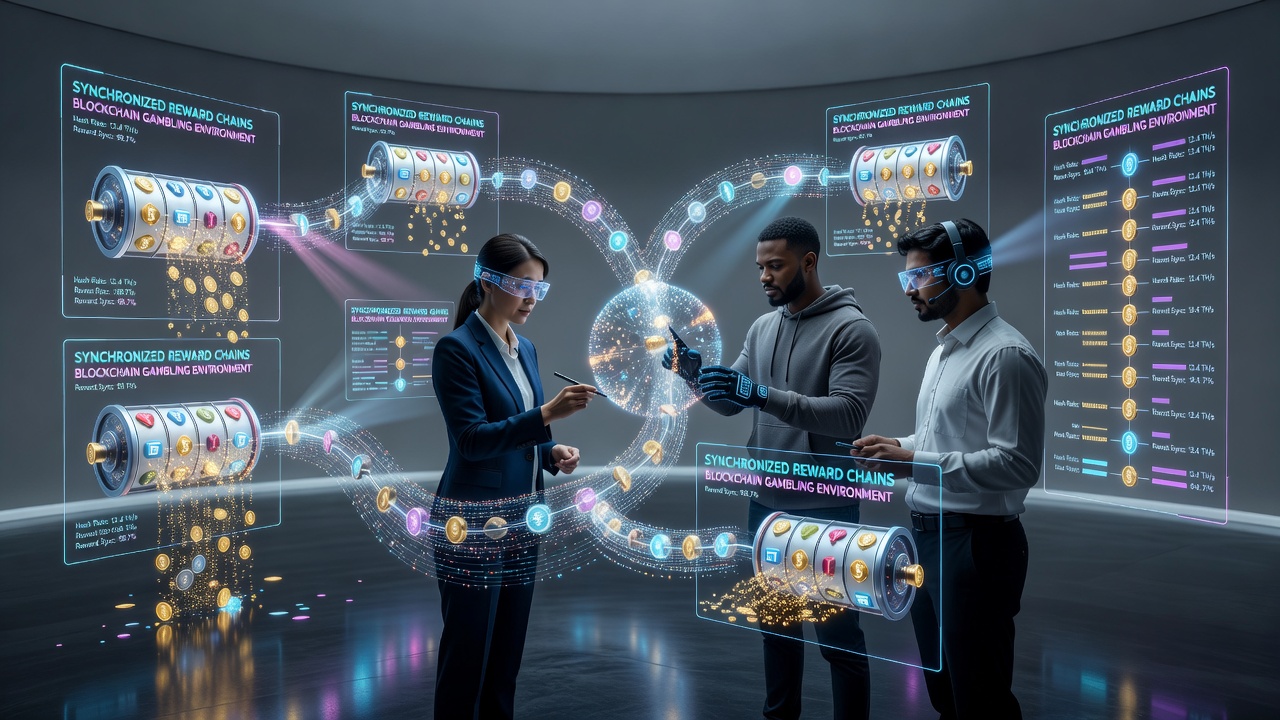
Blockchain networks have merged with virtual reality platforms to create reward systems that track and distribute incentives through linked smart contracts, and these mechanisms operate across multiple VR headsets and devices without manual intervention. Observers note that synchronization occurs when each player action triggers an immediate update on the distributed ledger, which then reflects the same data across connected interfaces in real time.
Core Components of Reward Chain Systems
Smart contracts form the backbone of these chains because they execute predefined rules once specific conditions, such as wager completion or achievement thresholds, are met. Data from multiple VR sessions feeds into a single ledger entry, and that entry becomes visible to every authorized interface almost instantly. Researchers have observed that this setup eliminates discrepancies that once appeared when players switched between desktop and headset modes.
Token standards like ERC-721 and ERC-1155 often represent individual rewards as unique digital assets, while consensus mechanisms validate each transfer before it appears in the user's VR view. Studies indicate that platforms using proof-of-stake variants process these validations faster than earlier proof-of-work models, which reduces latency during peak usage periods in June 2026.
Integration Between VR Environments and Ledger Updates
Virtual reality interfaces capture player movements and decisions through motion sensors and eye-tracking hardware, then convert those inputs into transactions that the blockchain records. When a user completes a sequence of tasks inside the virtual space, the system automatically appends the corresponding reward to the chain and broadcasts it to other active sessions. Experts have documented cases where this process maintains consistency even when network congestion occurs, because fallback nodes take over validation duties without interrupting the VR feed.
Technical Synchronization Protocols
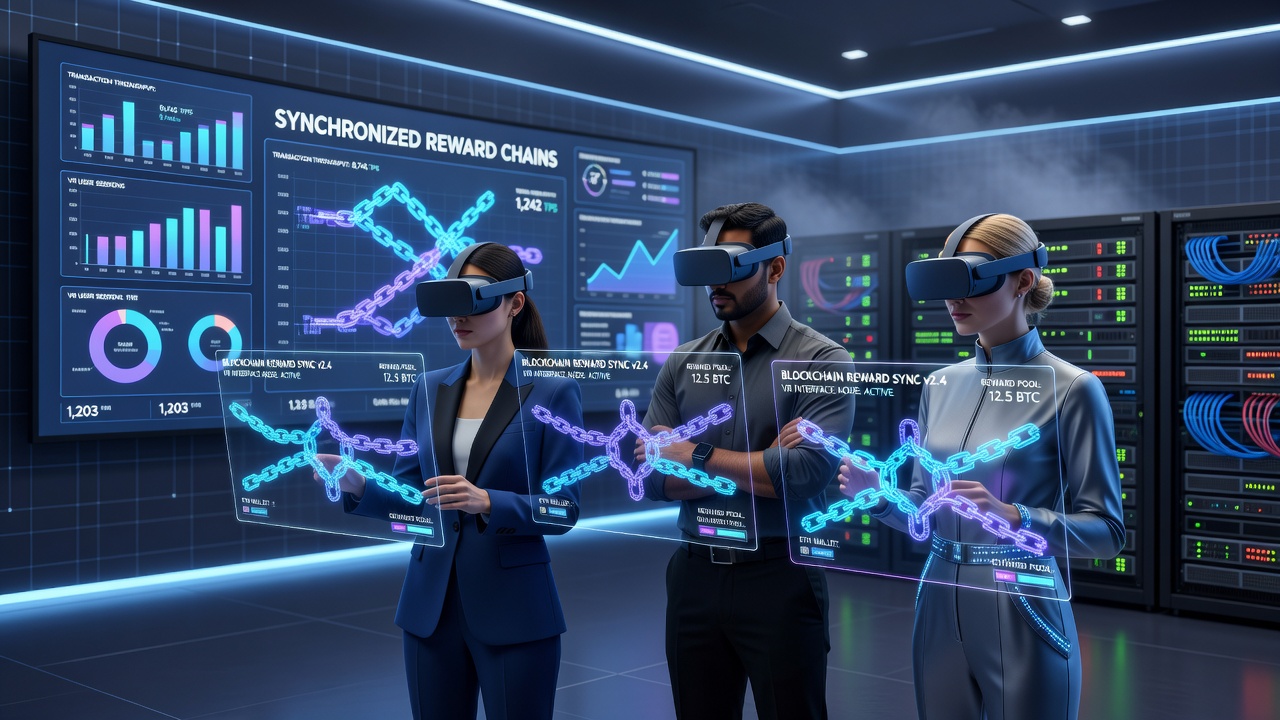
Protocols built on layer-two scaling solutions allow multiple reward events to batch together before final settlement on the main chain, and this batching keeps frame rates stable inside the headset. One implementation tested by developers in 2025 relied on state channels that opened at login and closed only after the session ended, which preserved continuous synchronization across all participating devices.
Security Measures in Cross-Interface Reward Tracking
Multi-signature requirements and zero-knowledge proofs protect reward chains from unauthorized alterations while still permitting users to verify their own balances inside the VR environment. Reports from the Ontario Lottery and Gaming Corporation show that platforms employing these cryptographic tools recorded fewer disputes over reward distribution during the first half of 2026. Encryption keys tied to each headset further restrict access so that only the owner can initiate or view certain ledger entries.
Independent audits conducted by academic teams at institutions such as the University of New South Wales have examined how these layered protections function under simulated attack conditions. Findings reveal that synchronized chains resisted tampering attempts because any change to one record required simultaneous updates across geographically distributed nodes, a process that demands coordinated control of more than half the network.
Operational Examples Across Platforms
Operators in Asia and Europe have deployed VR environments where reward chains link progressive jackpots to individual player achievements, and these systems update balances visible through headsets worn in different time zones. One documented instance involved a European platform that synchronized daily login rewards with longer achievement milestones, resulting in seamless credit transfers when users returned after extended absences. Data compiled by the Casino Regulatory Authority of Singapore indicates that similar synchronization reduced support tickets related to missing rewards by measurable percentages in early 2026.
Developers continue to refine latency thresholds so that reward notifications appear within milliseconds of the triggering event, and testing protocols now include stress evaluations that replicate thousands of simultaneous VR connections. Those who've studied these environments report that synchronization stability improves when platforms maintain redundant validator sets across multiple continents.
Conclusion
Synchronized reward chains operating through virtual reality interfaces rely on blockchain ledgers that record and distribute incentives without manual reconciliation steps. Technical protocols, cryptographic safeguards, and cross-regional validation methods together maintain consistency across devices and sessions. As platforms expand these systems through June 2026 and beyond, the focus remains on preserving real-time accuracy while meeting regulatory expectations in varied jurisdictions.