Geographic Variations in Incentive Availability for International Participants in Virtual Entertainment Platforms
Written by Erik Keller · Jul 11, 2026
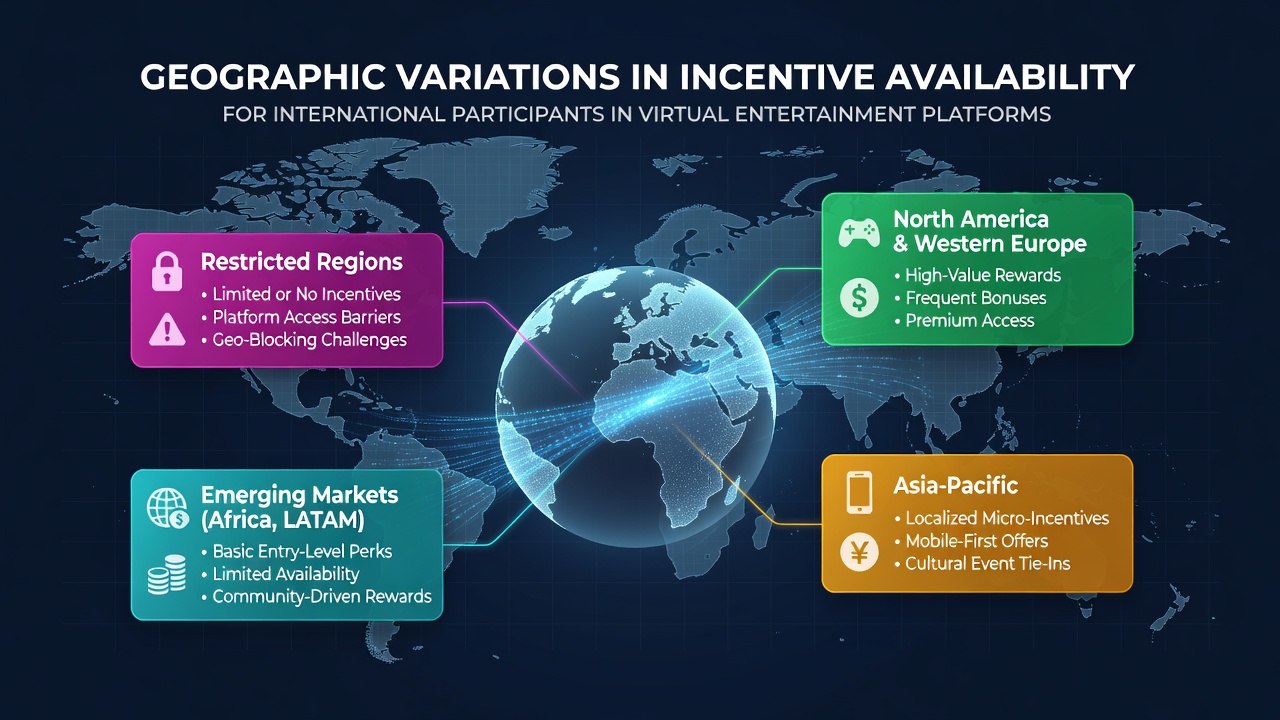
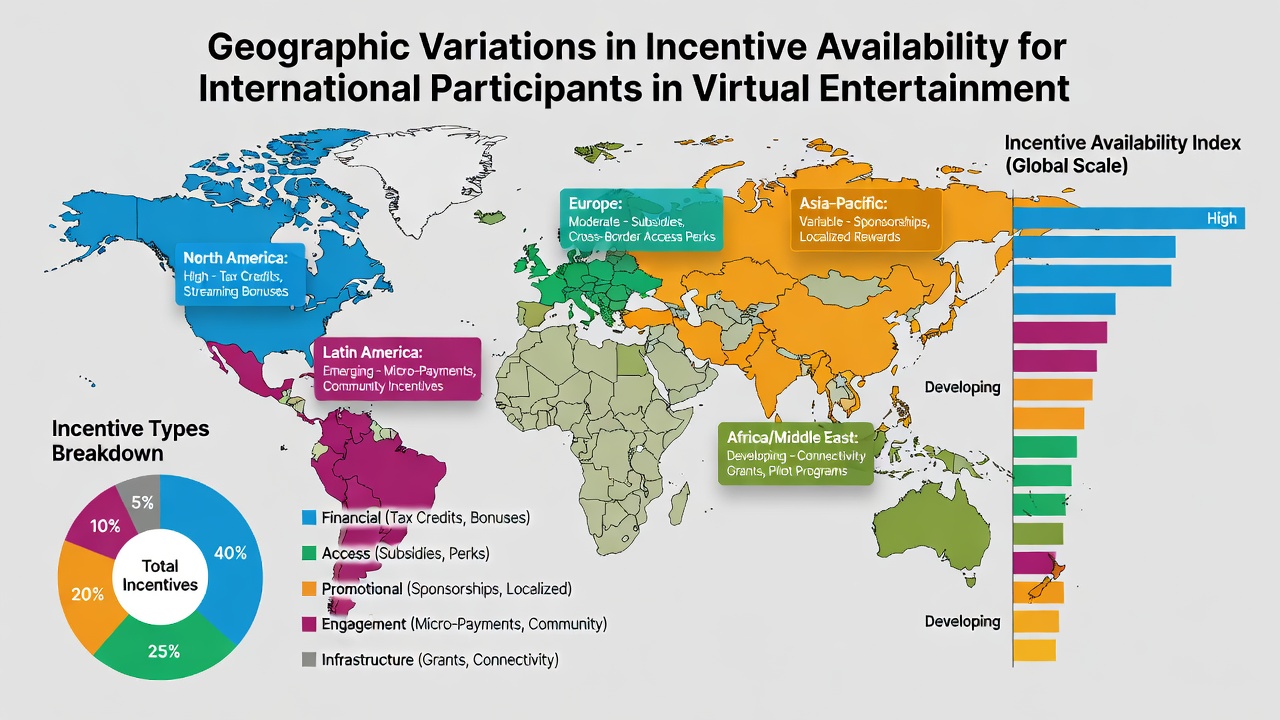
Geographic Variations in Incentive Availability for International Participants in Virtual Entertainment Platforms
Virtual entertainment platforms operate across multiple jurisdictions, and incentive structures for international users shift according to local regulations, tax frameworks, and licensing requirements that differ from one country to the next. These variations affect deposit matches, free spin allocations, cashback percentages, and loyalty point conversions, which means participants in one region often receive offers unavailable to those in another. Data compiled through mid-2026 shows consistent patterns tied to regulatory maturity rather than platform preference alone.
European Frameworks and Cross-Border Limits
Countries within the European Economic Area maintain strict rules on bonus advertising and player eligibility, which leads operators to segment offers by residence. Germany’s Interstate Treaty on Gambling, updated in recent years, caps welcome bonuses at a fixed euro amount and requires verification before any reward activates, while Malta-based platforms extend higher match percentages to users from less restrictive member states. France requires all promotional credits to carry wagering caps tied to national tax rates, and Italy’s customs agency enforces separate reporting for crypto-based incentives. Observers note that residents of Spain encounter geo-blocked free spin campaigns that remain accessible to users in Portugal or the Netherlands, creating clear differences in available reward volume.
Asia-Pacific Regulatory Contrasts
Markets across Asia and the Pacific display even wider divergence because some jurisdictions prohibit real-money incentives entirely while others license them under controlled conditions. Japan’s amended gaming laws effective through 2026 restrict bonus promotions to demonstration credits only, whereas operators licensed in the Philippines and authorized by PAGCOR continue to issue multi-tier reload bonuses to international accounts. Australia’s state-level oversight through bodies such as the Northern Territory Racing Commission requires all bonus terms to display wager-to-win ratios in plain language, and this transparency requirement sometimes results in lower headline percentages compared with offers presented to users in New Zealand. Research from regional industry groups indicates that participants located in Singapore receive fewer crypto-linked rewards than those accessing the same platforms from Malaysia, where digital asset promotions remain permissible under current licensing.
North and South American Patterns
North American states and provinces continue to refine rules that directly shape incentive delivery. Ontario’s iGaming regime, administered through the Alcohol and Gaming Commission of Ontario, mandates that all bonus funds appear in a separate wallet with mandatory play-through tracking, while certain U.S. states still limit promotional credits to intrastate users only. In Latin America, Brazil’s recently enacted federal framework allows operators to offer deposit matches without upper limits provided tax obligations are met, yet Mexico’s federal gaming authority continues to require pre-approval for any loyalty program that converts points into cash equivalents. Figures released by the Latin American Gaming Association for the first half of 2026 reveal that Colombian users receive higher average cashback rates than participants in Chile because local tax treatment differs between the two markets.
Impact of Licensing Jurisdictions on Offer Segmentation
Platforms headquartered under Curacao or Anjouan licenses typically apply fewer geographic restrictions than those holding European or North American authorizations, yet they still adjust terms based on the participant’s declared country of residence. Payment method availability often intersects with these rules, since certain banks and e-wallets refuse transactions involving bonus funds in specific territories. Studies conducted by independent research firms show that users accessing platforms from high-regulation zones encounter longer verification delays before incentives credit, whereas accounts registered from lower-regulation areas activate rewards within hours. This segmentation occurs automatically through IP detection and account profiling systems that platforms maintain to remain compliant.
Emerging Trends Observed in July 2026
By July 2026 several platforms began testing region-specific loyalty tiers that convert bonus points into local currency credits rather than universal tokens. Early data from these trials indicates higher retention among users in jurisdictions that previously received standardized global offers. Regulatory updates in South Africa and Kenya introduced new reporting thresholds for international incentive programs, prompting operators to recalibrate cashback percentages for African participants while leaving rates unchanged for users in the Middle East. These adjustments demonstrate that incentive availability continues to track legislative activity rather than uniform platform policy.
Conclusion
Geographic variations in incentive availability stem directly from the interaction between platform licensing, national tax codes, and enforcement priorities that differ across regions. International participants therefore encounter distinct reward menus shaped by their location, and these differences persist even when the underlying platform technology remains identical. Continued regulatory evolution through 2026 and beyond suggests that operators will maintain segmented structures to satisfy compliance requirements in each market they serve.