How Algorithmic Player Tracking Shapes Reward Distribution Patterns in Digital Gambling Platforms
Written by Harper Simon · May 28, 2026
How Algorithmic Player Tracking Shapes Reward Distribution Patterns in Digital Gambling Platforms
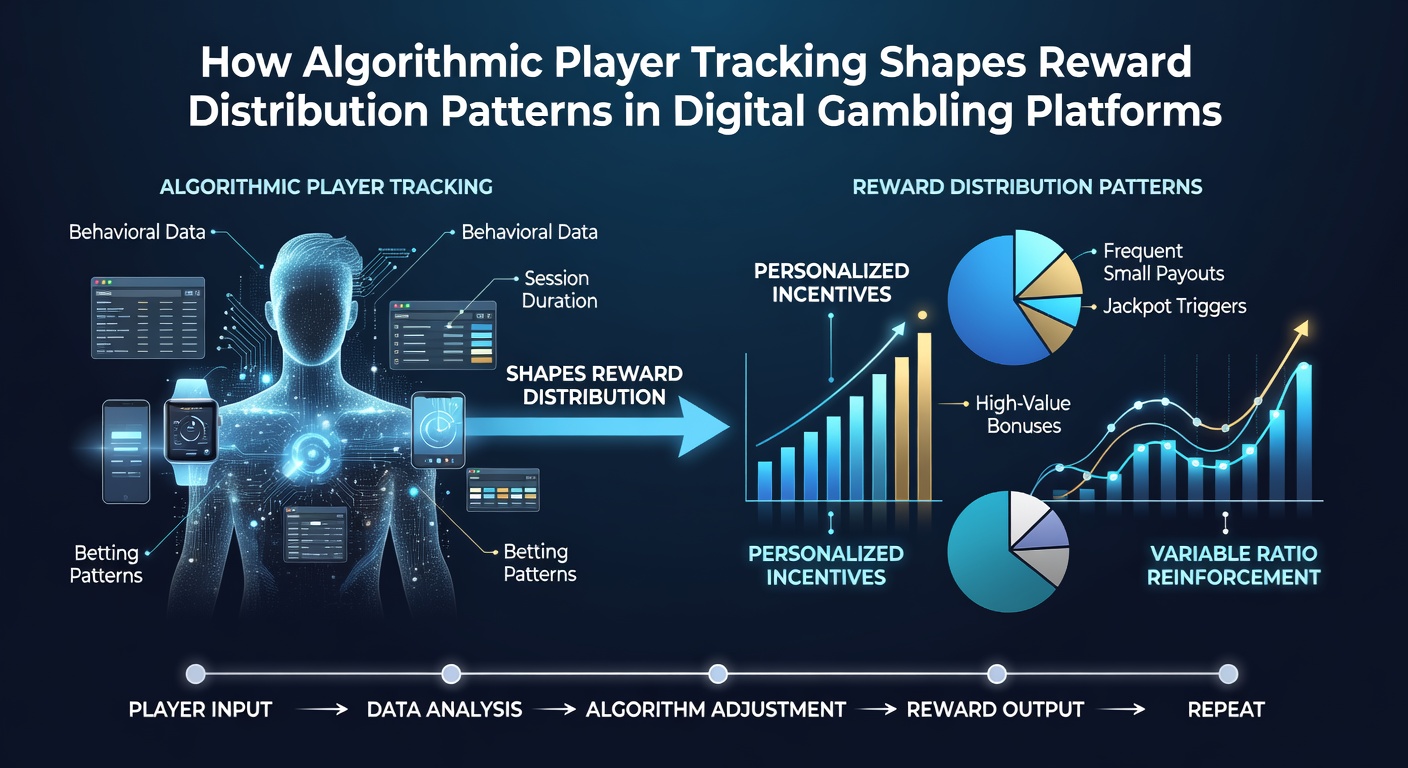
Digital gambling platforms collect extensive behavioral data through algorithmic player tracking systems, and these systems directly influence how rewards such as bonuses, loyalty points, and cashback offers get distributed among users. Operators rely on real-time metrics including wager frequency, session length, game selection patterns, and deposit activity to build detailed player profiles. The resulting algorithms then determine eligibility and scale for personalized incentives, which creates distinct distribution patterns across different user segments.
Data Collection Mechanisms in Modern Platforms
Tracking begins the moment a user logs into an account, with systems logging every interaction from initial deposit through game play and withdrawal requests. Machine learning models process variables like average bet size, volatility tolerance, and time-of-day activity to assign predictive scores that forecast future engagement levels. These scores feed into reward engines that allocate offers automatically, while platforms update profiles continuously to reflect shifts in behavior. According to industry reports from the European Gaming and Betting Association, such systems now handle billions of data points daily across major operators, which allows for granular segmentation that separates casual players from high-volume participants.
Geolocation data, device identifiers, and payment method histories add further layers to these profiles. Algorithms cross-reference this information with historical trends to identify players likely to respond to specific reward types, whether free spins on slots or matched deposits on table games. The process operates without manual intervention in most cases, which speeds up distribution while maintaining consistency across large user bases.
Algorithmic Decision-Making and Reward Allocation
Once profiles form, algorithms apply weighted formulas to decide reward tiers and timing. High lifetime value predictions often trigger immediate access to exclusive promotions, whereas lower-scoring accounts receive standard offers at set intervals. Research from the University of Nevada's gaming studies program shows that these models frequently prioritize retention metrics, which leads to increased bonus frequency for users showing early signs of reduced activity. Distribution patterns therefore cluster around behavioral thresholds rather than uniform schedules, with top-tier accounts receiving disproportionate shares of promotional value.
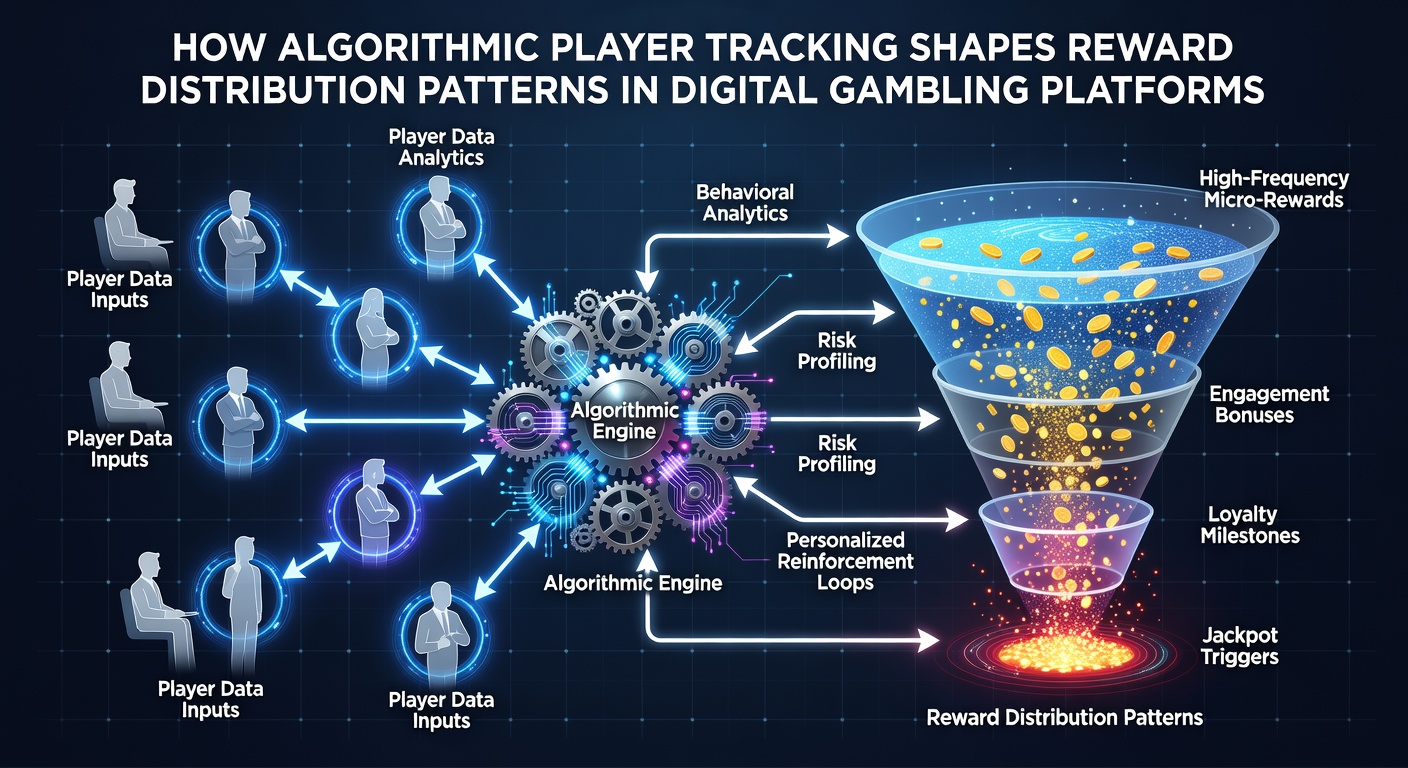
Seasonal adjustments and game-specific multipliers further refine outcomes. For instance, algorithms may boost cashback percentages on live dealer titles during slower periods to maintain overall platform activity. Data from the Nevada Gaming Control Board indicates that operators using advanced tracking reported more targeted reward spend in 2025 compared with earlier manual systems, which concentrated benefits among players whose activity aligned with model predictions. Patterns emerge where rewards peak during identified high-engagement windows, such as evenings or weekends, while tapering for users outside those windows.
Geographic and Regulatory Influences on Tracking Practices
Regional regulations shape how platforms deploy these algorithms and distribute resulting rewards. In jurisdictions like those overseen by the Australian Communications and Media Authority, operators must disclose data usage practices and limit certain personalization tactics that could encourage excessive play. Canadian provincial regulators have introduced similar requirements around transparency in loyalty program algorithms, which affects how rewards scale based on tracked behavior. These rules create variations in distribution patterns, with some markets showing more even reward spreads while others permit tighter clustering around high-value accounts.
Cross-border platforms adapt tracking parameters to comply with multiple frameworks simultaneously. Algorithms incorporate compliance flags that adjust reward eligibility when users cross jurisdictional boundaries, which prevents violations while preserving operational efficiency. Observers note that such adaptations lead to more conservative reward patterns in heavily regulated areas compared with less restrictive environments.
Emerging Trends Through Mid-2026
By May 2026, integration of predictive analytics with real-time biometric signals, such as session pace indicators, has expanded tracking capabilities on several major platforms. These enhancements allow algorithms to refine reward timing further, often delivering offers within minutes of detected behavioral changes. Industry data reveals continued growth in the proportion of total promotional budgets allocated through automated systems, which reinforces existing distribution patterns while reducing manual overrides. Platforms continue testing new variables like social feature engagement to see whether they correlate with sustained activity levels.
Conclusion
Algorithmic player tracking has become central to reward distribution on digital gambling platforms, with data collection feeding directly into automated allocation models that produce measurable patterns across user groups. Regulatory environments in multiple regions continue to guide implementation details, while technological advances through 2026 support increasingly precise targeting. The resulting systems determine who receives which incentives and when, based on quantifiable behavioral inputs rather than uniform policies.