How Predictive Models Shape the Timing and Value of Layered Incentives Across International Virtual Gaming Networks
Written by Elena Peters · Aug 6, 2026
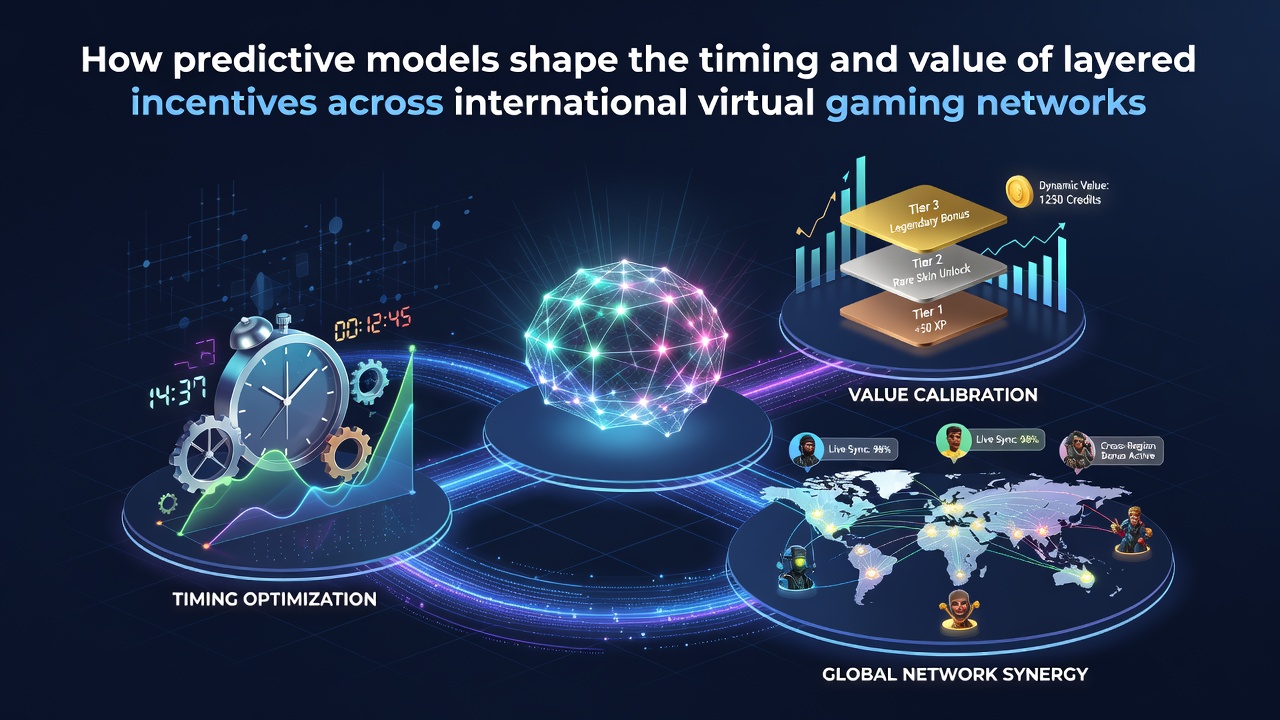
How Predictive Models Shape the Timing and Value of Layered Incentives Across International Virtual Gaming Networks
Virtual gaming networks operating across borders rely on predictive models that process vast datasets to determine when and how much value layered incentives should carry at any given moment, and these systems integrate player behavior patterns with market signals to adjust offers in real time.
Core Mechanics of Predictive Modeling
Predictive models draw from historical transaction logs, session durations, and engagement metrics to forecast the precise window when a player becomes most responsive to an initial deposit match or a free spin allocation, while they simultaneously calculate the expected lifetime value that justifies escalating rewards through subsequent tiers.
Researchers at institutions tracking digital entertainment economies have documented how these algorithms incorporate variables such as regional currency fluctuations and platform traffic peaks, and the resulting outputs allow operators to release incentives that align with peak activity periods without overextending promotional budgets.
Timing Strategies Across Networks
Operators deploy these models to sequence incentives so that a welcome package transitions smoothly into milestone-based rewards, yet the models also monitor external factors like competing platform launches or regulatory shifts that might alter player migration patterns. In August 2026 several networks adjusted their rollout calendars after models detected early signals of increased cross-border participation following new licensing frameworks in select Asian markets.
Data from the Australian Communications and Media Authority shows that synchronized timing across time zones has become essential, because models now factor in diurnal variations in player cohorts from Europe, North America, and the Asia-Pacific region to avoid incentive fatigue while maintaining steady retention curves.
Valuation of Layered Incentive Structures
Layered incentives gain their worth through progressive unlocking mechanisms that predictive models calibrate against individual risk profiles and aggregate network health indicators, and this calibration ensures that each successive reward level delivers perceived value without eroding operator margins. Models evaluate conversion probabilities at every stage, then scale cashback percentages or loyalty multipliers accordingly.

Observers note that valuation formulas frequently integrate blockchain transaction velocities when virtual gaming environments utilize cryptocurrency rails, because models can predict how token price movements affect the real-world utility of deposited funds and therefore the optimal sizing of follow-on bonuses.
International Regulatory and Market Influences
Cross-border operations introduce additional complexity as predictive systems must reconcile differing compliance requirements, and models trained on multi-jurisdictional datasets now embed regulatory calendars into their forecasting engines to preempt changes in allowable incentive structures. Canadian gaming authorities have reported increased adoption of such adaptive systems among licensed platforms seeking to maintain consistent player experiences amid evolving provincial rules.
Industry reports from the European Gaming and Betting Association highlight how these models reduce instances of misaligned promotions by forecasting the downstream effects of incentive releases on responsible gaming metrics, which in turn supports more stable network participation rates across member states.
Case Examples from Operational Networks
One network spanning Latin American and European servers implemented a predictive layer that shifted daily free spin distributions to coincide with detected spikes in mobile traffic, and the adjustment produced measurable lifts in session length without increasing overall promotional spend. Another platform serving African and Middle Eastern markets used similar modeling to time achievement-based rewards around local sporting events that correlate with higher login volumes.
Those who manage large-scale virtual environments often discover that continuous model retraining on fresh data prevents incentive leakage, because player response curves evolve quickly when new game titles or network features enter circulation.
Conclusion
Predictive models continue to refine the delivery and scaling of layered incentives by processing real-time behavioral and market signals, and their application across international virtual gaming networks supports both operational efficiency and sustained player engagement when deployed under appropriate regulatory oversight. Ongoing advancements in data integration promise further precision in timing and valuation as these systems mature.