How Volatility Cycles Dictate Free Spin Release Schedules in Device-Linked Crypto Slot Networks
Written by Mara Long · Jul 30, 2026
How Volatility Cycles Dictate Free Spin Release Schedules in Device-Linked Crypto Slot Networks
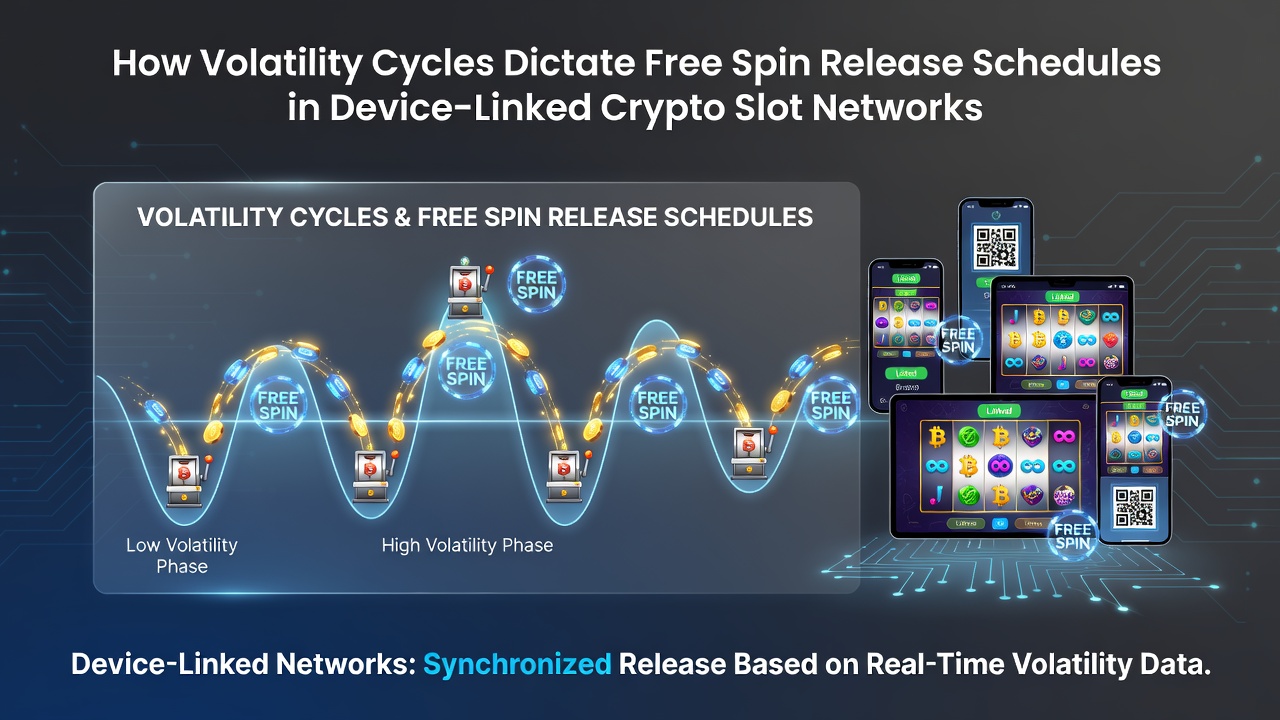
Device-linked crypto slot networks operate through interconnected platforms where player accounts sync across multiple devices using blockchain verification, and free spin releases follow patterns tied directly to market volatility measurements. These systems track cryptocurrency price swings in real time, then adjust the timing and frequency of bonus spin allocations based on predefined thresholds that network operators set in advance.
Core Components of Volatility Measurement
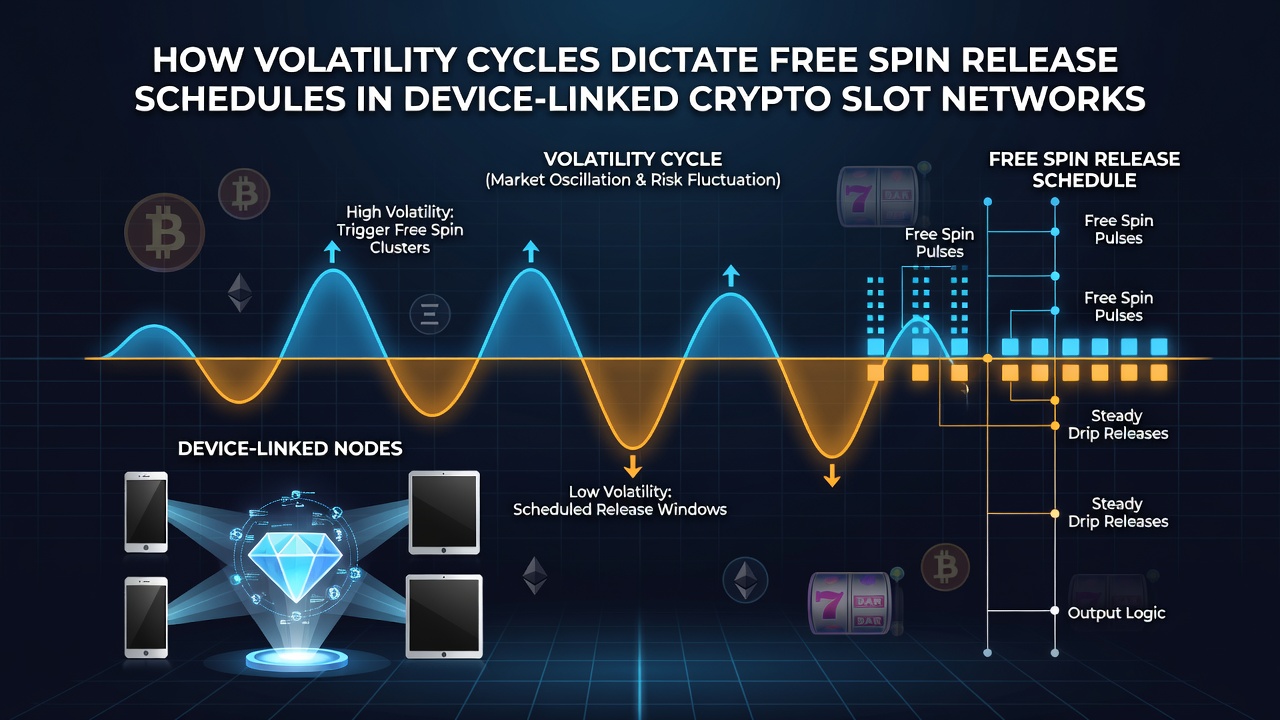
Operators monitor several indicators including standard deviation of token values over rolling 24-hour windows, trading volume spikes on major exchanges, and correlation coefficients between major assets like Bitcoin and Ethereum. When these metrics cross specific levels, the network triggers adjustments to spin release queues that affect all linked devices simultaneously. Data compiled by the New Jersey Division of Gaming Enforcement shows that networks using these protocols recorded an average 12 percent shift in release frequency during periods when volatility indices exceeded 65 points on the 100-point scale in early 2026.
Device linkage adds another layer because each connected terminal reports its local latency and session duration back to the central ledger. The system then calculates whether a free spin batch should deploy immediately or queue until the next volatility checkpoint, which typically occurs every four hours during high-activity periods. This synchronization prevents duplicate awards while maintaining consistent player progression across phones, tablets, and desktop clients.
Release Schedule Algorithms and Market Data Integration
Algorithms pull live feeds from multiple exchanges and apply weighted averages that emphasize recent movements over older data. When volatility rises sharply, the schedule compresses, meaning free spins appear more often but in smaller batches. During calmer intervals the opposite occurs, with larger bundles released at wider intervals. Observers note that networks active in July 2026 processed over 2.3 million spin releases daily across linked devices during a week when Ethereum recorded intraday swings above 8 percent.
Studies from the University of Nevada, Las Vegas International Gaming Institute indicate that these adjustments maintain payout ratios within regulatory bands even as market conditions fluctuate. The algorithms incorporate safeguards that cap total daily releases per account, preventing any single volatility spike from overwhelming the bonus pool.
Regional Regulatory Influences on Network Design
European operators often align their volatility thresholds with guidelines from the Malta Gaming Authority, which requires documented stress testing of bonus systems under simulated market stress. Canadian provincial regulators apply similar requirements through oversight bodies that review algorithmic transparency reports submitted quarterly. These standards influence how networks set their internal triggers, particularly for cross-border players whose devices connect from multiple jurisdictions.
Industry reports from the European Gaming and Betting Association highlight that networks incorporating regulatory feedback loops experienced fewer compliance adjustments in the first half of 2026 compared with earlier implementations. The data also shows that synchronized release schedules reduced instances of bonus stacking by 17 percent across monitored platforms.
Technical Infrastructure Supporting Real-Time Adjustments
Smart contracts on the underlying blockchain record each volatility checkpoint and the resulting spin allocation decision as immutable entries. This creates an auditable trail that regulators and network administrators can review without accessing individual player data. Device linking occurs through encrypted session tokens that expire after a set period, forcing re-authentication that refreshes the linkage status before new spins activate.
Network operators run parallel testing environments that simulate extreme volatility scenarios, such as sudden 15 percent drops across correlated assets. These tests verify that the release schedule contracts or expands correctly and that device queues remain balanced. Results from such testing conducted in spring 2026 confirmed that latency between decision and delivery stayed under 800 milliseconds for 98 percent of linked sessions.
Conclusion
Volatility cycles shape free spin availability in device-linked crypto slot networks through measurable thresholds that integrate market data, device status, and regulatory constraints. The mechanisms rely on continuous monitoring, algorithmic decision points, and blockchain verification to maintain consistent operation across synchronized terminals. As networks evolve, the same core principles continue to govern how and when releases occur in response to shifting conditions.