Segmentation Tactics Shaping Personalized Reward Distributions in Online Baccarat and Roulette Settings
Written by Mara Long · Jul 30, 2026
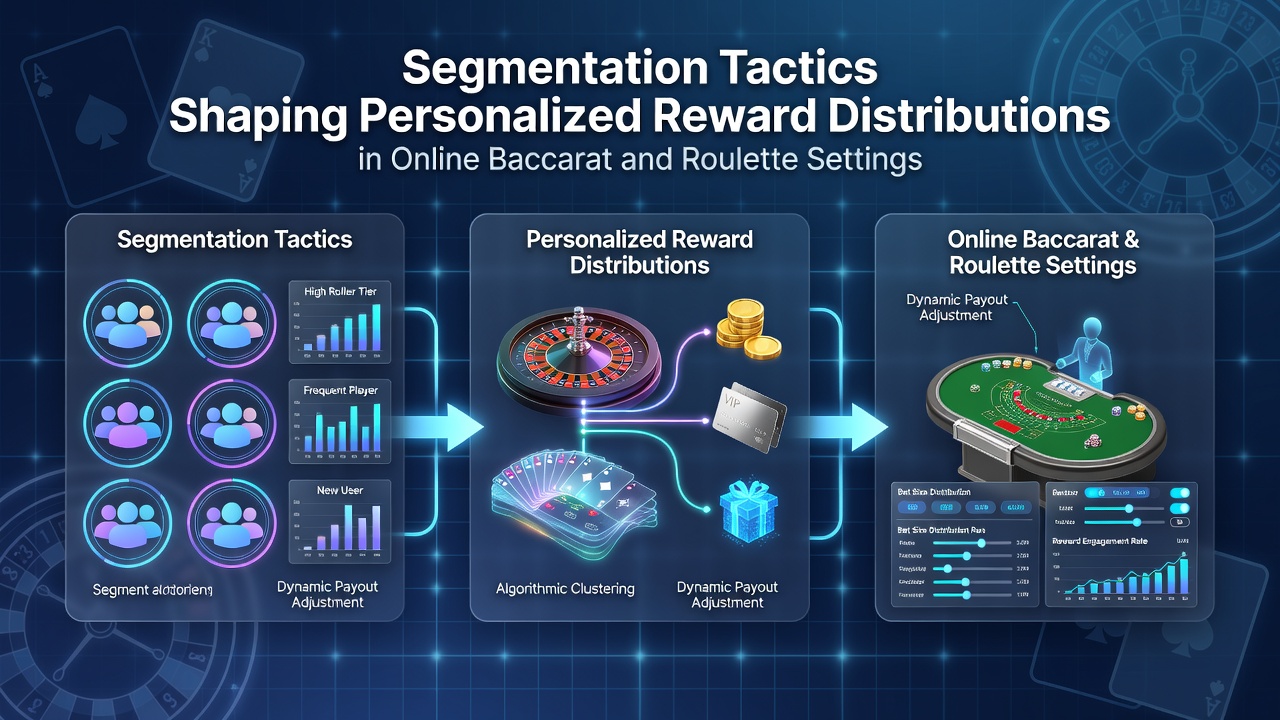
Segmentation Tactics Shaping Personalized Reward Distributions in Online Baccarat and Roulette Settings
Online gaming platforms apply segmentation tactics to distribute rewards in baccarat and roulette environments where player behaviors, wager volumes, and session patterns determine access to personalized incentives. These approaches divide users into groups based on metrics such as average bet size, game preference, and activity frequency, which then guide the allocation of cashback, bonus credits, and loyalty perks tailored to each category.
Data Collection and Player Grouping Methods
Platforms gather information through account registrations, transaction histories, and real-time tracking tools that log details like time spent at virtual tables and sequences of wins or losses. Researchers have documented how these datasets feed into clustering algorithms that separate high-volume baccarat participants from occasional roulette players, allowing operators to adjust reward structures accordingly. In July 2026 industry reports highlighted increased use of such systems across multiple jurisdictions as live dealer formats expanded.
One study revealed that operators often combine recency-frequency-monetary value models with behavioral indicators to refine segments further, creating subgroups within the broader player base. Those who've examined platform architectures note that this layering supports more precise reward triggers, such as instant cashback offers for segments showing consistent high-stakes play in baccarat while different thresholds apply to roulette enthusiasts who favor longer sessions.
Application in Baccarat Environments
Baccarat tables generate distinct data streams because rounds conclude quickly and minimum bets frequently exceed those in other games. Segmentation here focuses on players who maintain steady wager levels across multiple hands, leading to reward distributions that include tiered rebates scaled to cumulative losses within defined periods. Observers note that platforms prioritize segments demonstrating loyalty through repeated deposits and extended play, which receive customized offers unavailable to lower-activity groups.
Experts have observed that these tactics rely on automated systems that update segment assignments daily, ensuring reward eligibility reflects the latest activity patterns. Data from European markets shows operators linking segment status to specific baccarat variants, where participants in premium groups access higher cashback percentages or exclusive event invitations tied to their historical contributions.
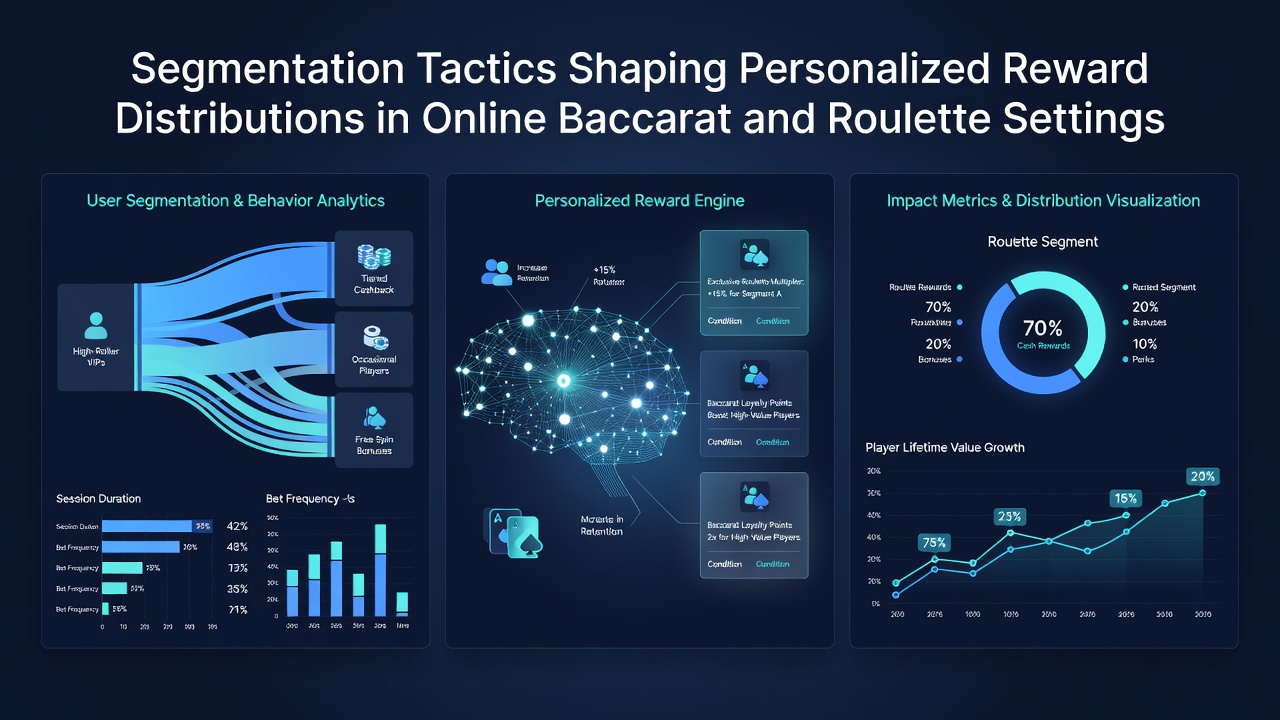
Roulette-Specific Segmentation Approaches
Roulette sessions tend to feature variable bet types and longer decision times per spin, which creates segmentation criteria centered on spin volume and betting diversity rather than pure hand count. Platforms assign players to groups based on preference for inside versus outside bets, then calibrate rewards such as free spin credits or deposit matches that align with those tendencies. Research indicates this method helps maintain engagement across segments by matching incentives to demonstrated play styles.
Figures released by the Australian Gambling Research Centre in recent analyses describe how roulette segments receive sequenced rewards that unlock after milestone achievements, such as reaching a set number of spins within a week. Those segments identified as high-retention receive accelerated access to these milestones compared with newer or sporadic participants, which alters the overall distribution timing and value.
Integration with Broader Platform Systems
Segmentation does not operate in isolation but connects to account management tools and compliance frameworks that monitor responsible gaming limits alongside reward eligibility. Operators in regulated markets coordinate these elements so that personalized distributions respect jurisdictional caps while still delivering differentiated experiences to each segment. According to data from the Malta Gaming Authority, synchronized tracking prevents overlap between reward offers and mandatory exclusion lists.
What's interesting is how cross-game insights sometimes influence baccarat and roulette segments, where activity in one title shifts a player's group assignment and unlocks rewards in the other. This interconnected approach appears in reports covering North American and Asian markets, where live dealer growth has accelerated the need for unified segmentation logic.
Regulatory and Technical Considerations
Regulatory bodies require transparency in how segments determine reward access, prompting platforms to maintain audit trails that document the rules applied to each group. In July 2026 several jurisdictions updated guidelines around algorithmic fairness in reward allocation, which directly affects baccarat and roulette implementations. Industry associations such as the European Gaming and Betting Association have published summaries of compliance practices that operators reference when refining their systems.
Technical infrastructure supporting these tactics includes machine learning models trained on anonymized historical data to predict segment transitions and adjust reward parameters proactively. Observers note that this predictive element helps platforms maintain balanced distributions without manual intervention for every player movement between categories.
Conclusion
Segmentation tactics continue to evolve as data sources expand and regulatory expectations shift, shaping how rewards reach participants in online baccarat and roulette settings. The combination of behavioral clustering, real-time updates, and compliance integration produces distributions that reflect individual patterns while operating within broader operational frameworks. Continued monitoring by research institutions and authorities will determine how these methods develop in subsequent periods.