Social Media Challenges Opening Pathways to Tiered Reward Structures in Online Gaming Platforms
Written by Mara Long · Jul 2, 2026
Social Media Challenges Opening Pathways to Tiered Reward Structures in Online Gaming Platforms
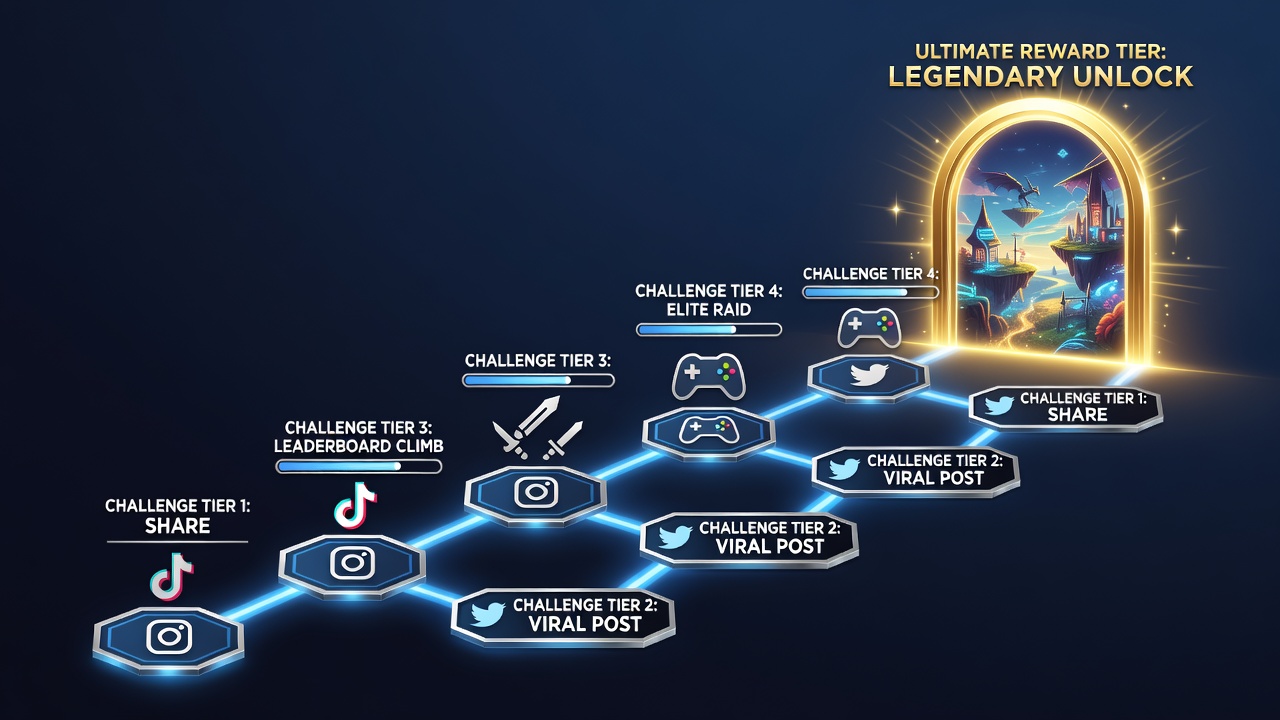
Online gaming platforms have integrated social media challenges as entry points that funnel participants into structured reward systems where engagement levels determine access to higher tiers, and data from industry reports shows this pattern accelerating through 2026. These challenges typically involve users completing tasks such as sharing gameplay clips, inviting friends, or achieving specific in-game milestones on platforms like Instagram, TikTok, and X, which then trigger automated systems to assign initial bonuses or entry-level status.
Platforms track participation metrics through APIs that connect social media activity directly to user accounts, allowing seamless progression from basic rewards like free spins or small deposit matches to advanced tiers offering personalized cashback, exclusive events, and higher withdrawal limits. According to figures released by the National Council on Problem Gambling, participation in such integrated challenge programs increased by 28 percent between 2024 and 2026, with many users advancing through five or more reward levels within the first three months of consistent activity.
Mechanics Behind Challenge-Driven Tier Escalation
Developers design challenges with clear escalation rules where each completed task unlocks the next layer of requirements, and algorithms adjust difficulty based on user behavior patterns observed in real time. For instance, an initial challenge might require posting a single gameplay video, which grants bronze tier access featuring standard loyalty points, while subsequent challenges demand collaborative efforts like team-based leaderboards or live-streamed sessions that push users toward silver, gold, and platinum status. These systems rely on blockchain verification in many crypto-enabled environments to ensure transparent tracking of achievements across distributed networks.
Research from the Australian Gambling Research Centre indicates that platforms employing these gateways see average session durations extend by 35 percent once users reach mid-tier levels, as the psychological pull of visible progress combines with tangible incentives like multiplier bonuses and priority support channels. The structure often incorporates time-bound elements, such as weekly challenge resets, which encourage repeated logins and sustained platform interaction throughout periods like July 2026 when seasonal promotions align with major sporting events.
Examples of Progression Across Different Gaming Formats
One documented case involves a mobile slot platform where users began with simple hashtag challenges on TikTok and advanced through cumulative point systems to access live dealer tables with reduced house edges after completing ten verified social shares. Another instance tracked by industry analysts showed poker enthusiasts moving from casual social media tournaments to high-stakes crypto rooms by fulfilling escalating criteria that included both public content creation and private performance benchmarks. These pathways frequently incorporate referral multipliers, where each new participant brought in through social channels adds layers to the referrer's tier benefits without requiring additional direct deposits.
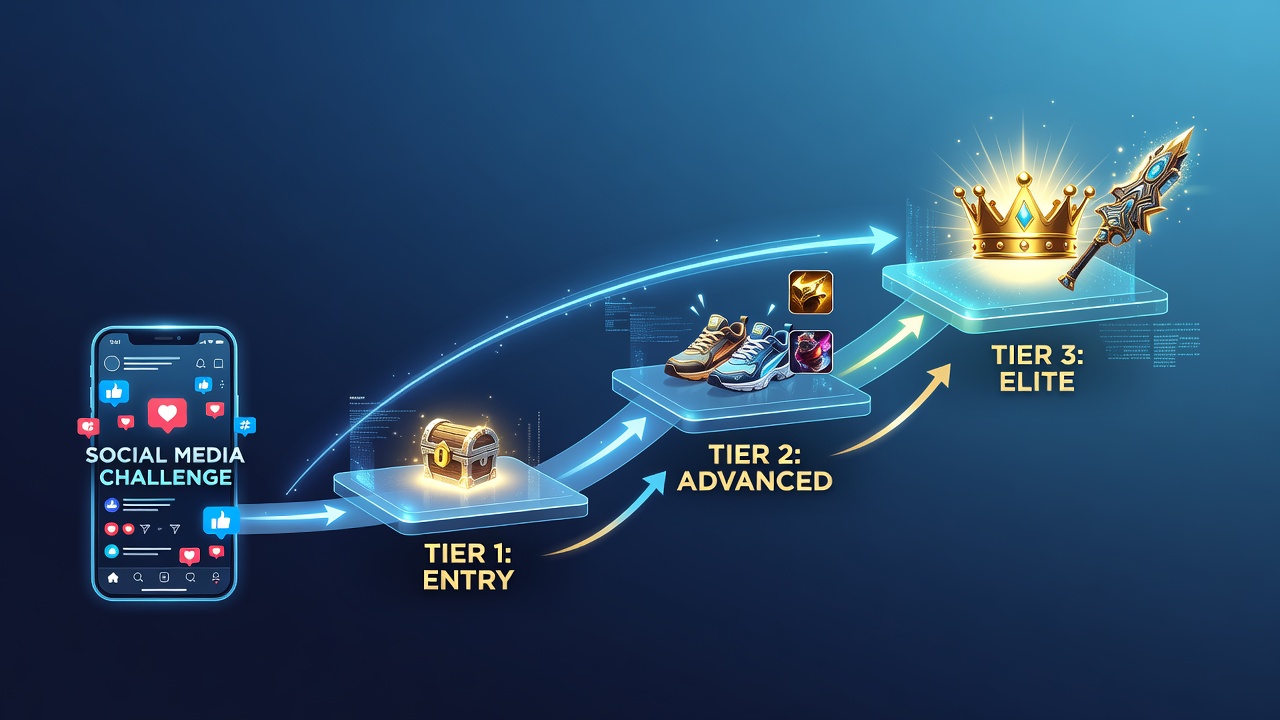
Observers note that reward distribution often follows predictable curves where early challenges deliver quick wins to build momentum, yet later tiers demand more complex combinations of social proof and financial commitment. Data compiled by the Gambling Research Exchange Ontario reveals that users who engage with three or more social challenges per month demonstrate a 42 percent higher retention rate compared to those entering through traditional deposit-only routes, highlighting how these gateways reshape acquisition strategies across North American and European markets.
Integration with Broader Platform Ecosystems
Many platforms layer social media challenges atop existing loyalty frameworks, creating hybrid models where challenge completions feed directly into point multipliers that accelerate tier advancement. In July 2026, several operators updated their systems to include AI-driven challenge personalization, matching task difficulty to individual play histories while maintaining compliance with regional advertising standards that govern promotional content on public networks. This approach allows operators to maintain engagement velocity even as users progress, since new challenges continually appear to bridge gaps between tiers.
External partnerships with social platforms further streamline the process, enabling one-click verification that reduces friction and encourages broader adoption among demographics that prefer content creation over direct financial entry points. Studies from the University of Nevada, Las Vegas Center for Gaming Research have documented how these integrations correlate with expanded user bases in jurisdictions where traditional marketing channels face restrictions, as social challenges bypass some regulatory hurdles by framing participation as community-driven entertainment rather than direct promotion.
Conclusion
Social media challenges function as structured on-ramps that guide users through measurable stages of reward escalation within online gaming environments, supported by automated tracking and tiered incentive designs that align platform goals with participant activity. The documented growth in engagement metrics through mid-2026 underscores the effectiveness of these systems in sustaining long-term involvement across varied game formats and regional markets. As platforms continue refining integration methods, the connection between public social actions and private reward tiers remains a central mechanism shaping digital gaming participation patterns.